
The Ultimate Guide to the New York Transit Museum
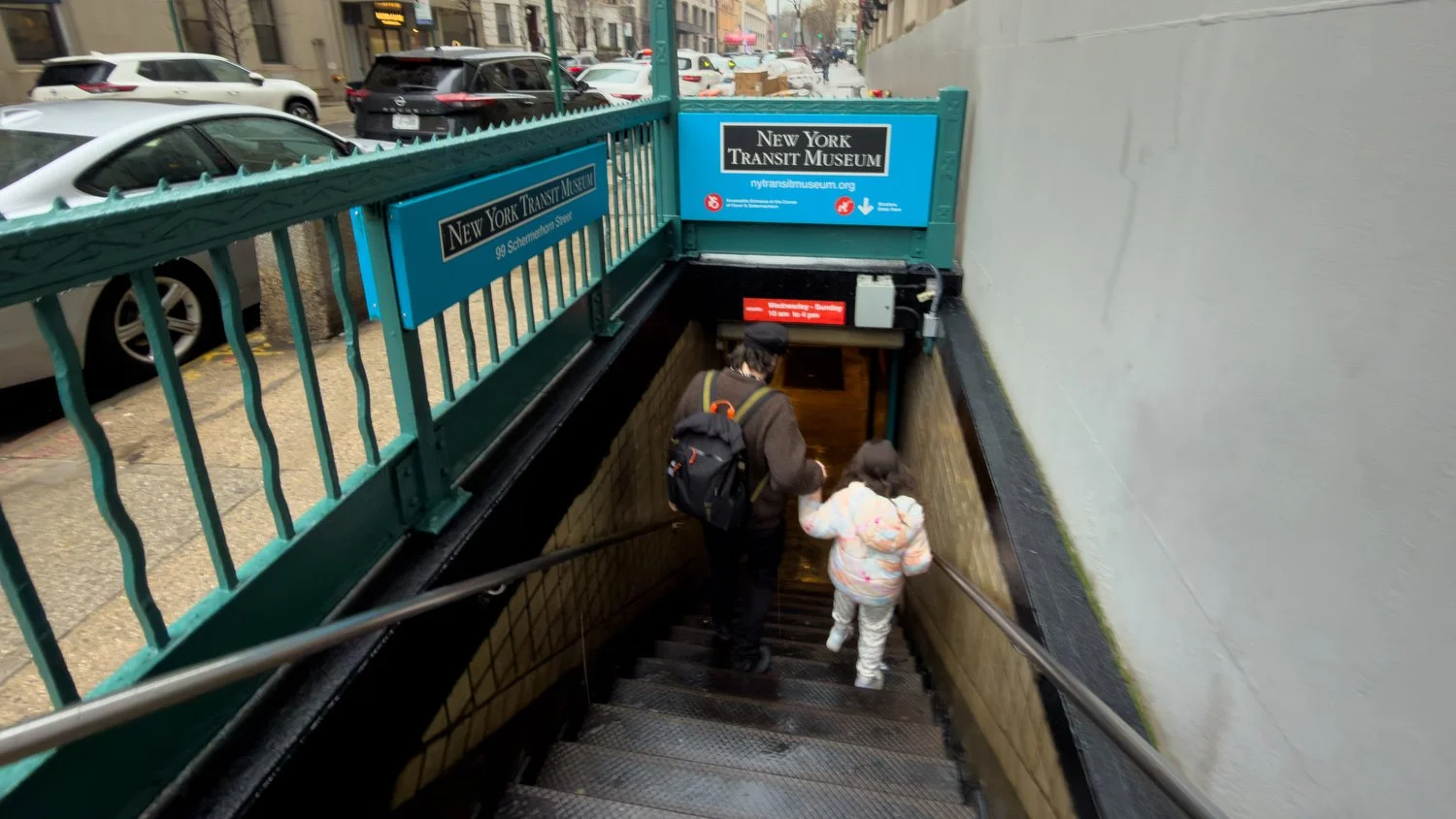
The entrance to the Transit Museum looks like a regular subway station.
Updated: July 31, 2026
The New York Transit Museum is one of the few attractions where you can truly take a deep dive into the city’s history. You walk down the steps of what appears to be a modern subway station, but you’re actually stepping back in time.
The museum is a "living" archive housed inside the decommissioned 1936 Court Street station in Brooklyn. With admission at just $10 and an investment of about two hours, you’ll leave feeling like a "lifelong New Yorker."
| Address | 99 Schermerhorn Street, Brooklyn, NY 11201 |
| Hours | Wednesday to Sunday, 10am to 4pm (closed Mon & Tue) |
| Admission | Adults $10 • Kids 2-17 & Seniors 62+ $5 |
| Tickets | Reserve online up to 3 weeks ahead (often sells out) |
| Time Needed | About 2 hours |
| Nearest Subway | 2, 3, 4, 5 to Borough Hall • A, C, G to Hoyt-Schermerhorn |
How to Get to the New York Transit Museum
The museum sits at 99 Schermerhorn Street in Downtown Brooklyn.
The tricky part is that it looks like a regular subway entrance from the street. You'll find it at the corner of Schermerhorn Street and Boerum Place. Look down for the stairs, not up for a building.
More than 20 subway and bus lines stop within a few blocks, so it's easy to reach from almost anywhere in the city.
By subway, the 2, 3, 4, and 5 trains stop at Borough Hall, about a two- to three-block walk away. The A, C, and G trains stop at Hoyt-Schermerhorn, which is even closer. You can also take the A, C, F, or R to Jay Street-MetroTech.
If you're driving in from Manhattan, take the Brooklyn Bridge and continue onto Adams Street. Adams turns into Boerum Place. Go two blocks to Schermerhorn Street. Parking in the area is tough, so we'd lean toward the subway.
There's a wheelchair-accessible entrance at the corner of Schermerhorn and Court Streets. The main entrance is down two flights of stairs with no elevator, so keep that in mind if you're bringing a stroller.
One of our favorite ways to arrive is on foot. Walk across the Brooklyn Bridge from Manhattan, explore DUMBO, then head over to the museum. It turns the trip into a whole afternoon in Brooklyn.
If you are using the subway during your NYC visit: How to Ride the NYC Subway: Tips for Visitors.
A Station Frozen in Time: The History of Court Street
Unlike most museums, the New York Transit Museum is an artifact itself. Opened on April 9, 1936, the Court Street station was originally intended to be a bustling hub. However, because it sat so close to other major transit centers, it never saw the projected crowds.
By 1946, the station was decommissioned. It spent decades as a training ground and a gritty backdrop for Hollywood films before reopening in 1976 as a temporary exhibit for the U.S. Bicentennial. It was so popular that it never closed, eventually becoming North America’s largest museum dedicated to public transportation.
Pro-Tip: Since the museum is below street level in an authentic station, it is not climate-controlled. Be prepared for chilly drafts in the winter or a bit of NYC humidity in the summer!
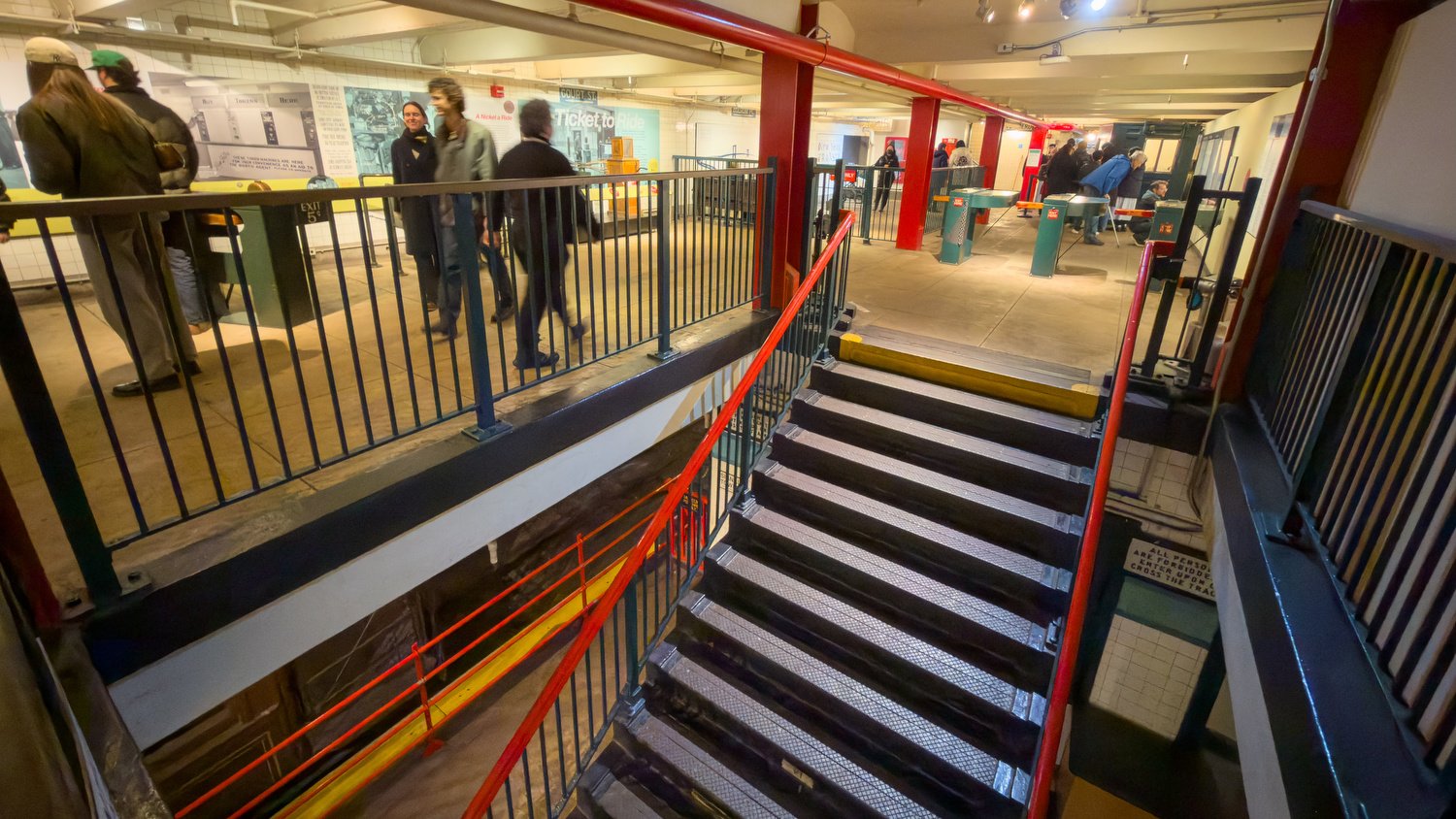
The interior of the Transit Museum. Downstairs are. the subway cars.
Level 1: The Mezzanine
Before you hit the tracks, the upper mezzanine level displays fascinating artifacts regarding the Herculean effort required to build the city.
The Engineering of an Empire
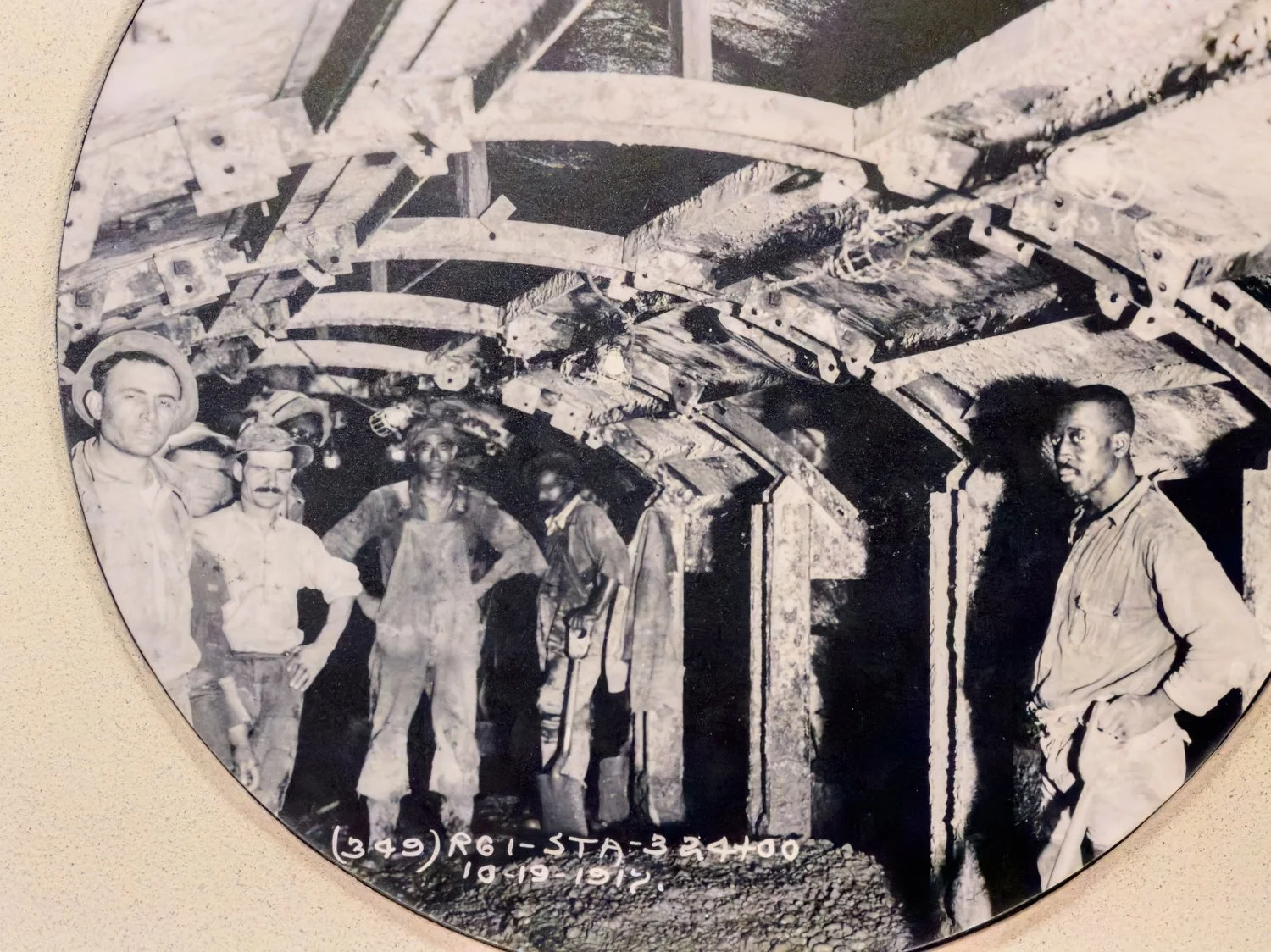
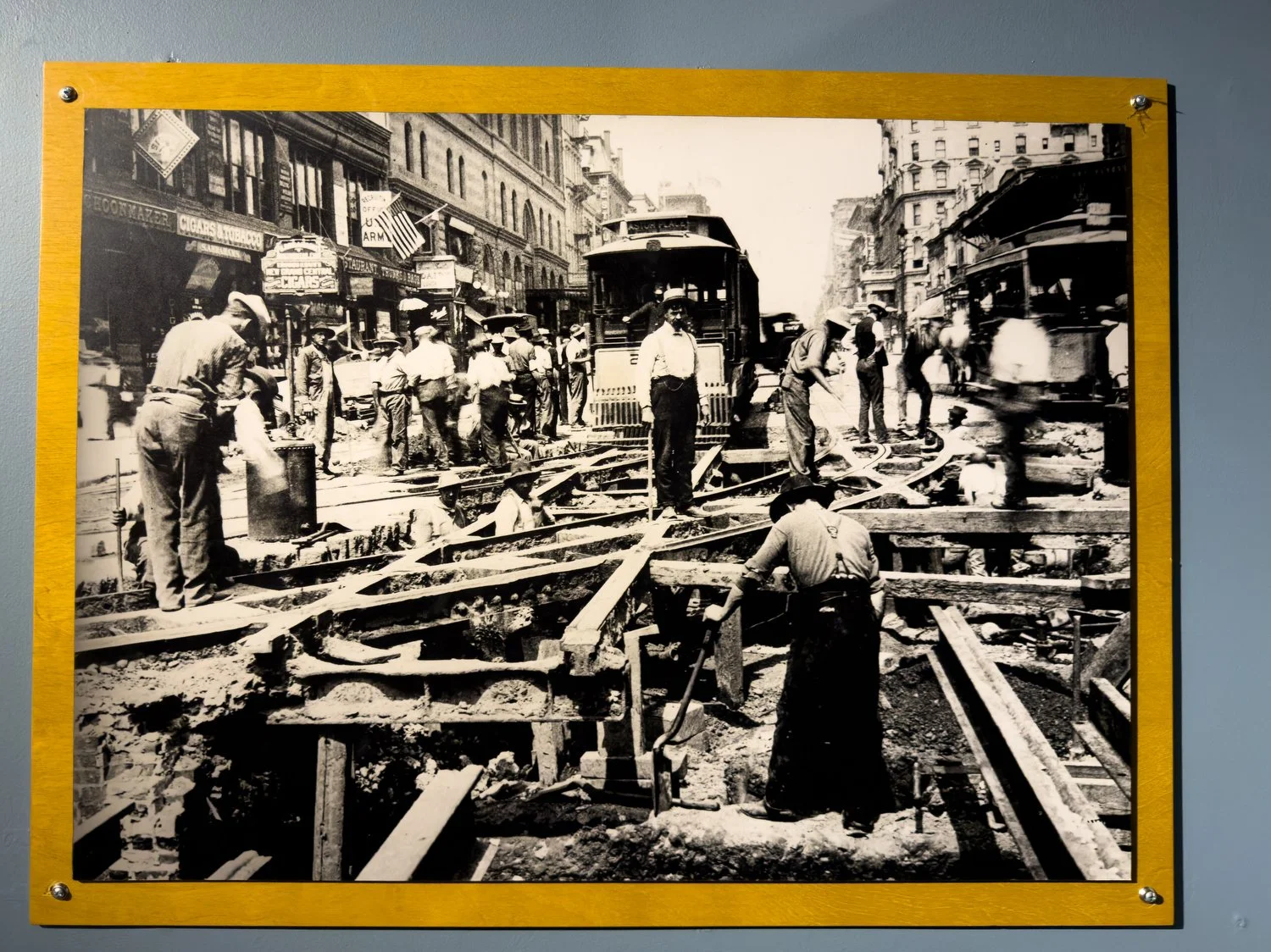
The Steel, Stone & Backbone exhibit is a visceral look at the "cut-and-cover" era (1900–1925). You’ll see the actual tools used by sandhogs-the legendary laborers who blasted through Manhattan with little more than dynamite and grit.
The Evolution of the Fare
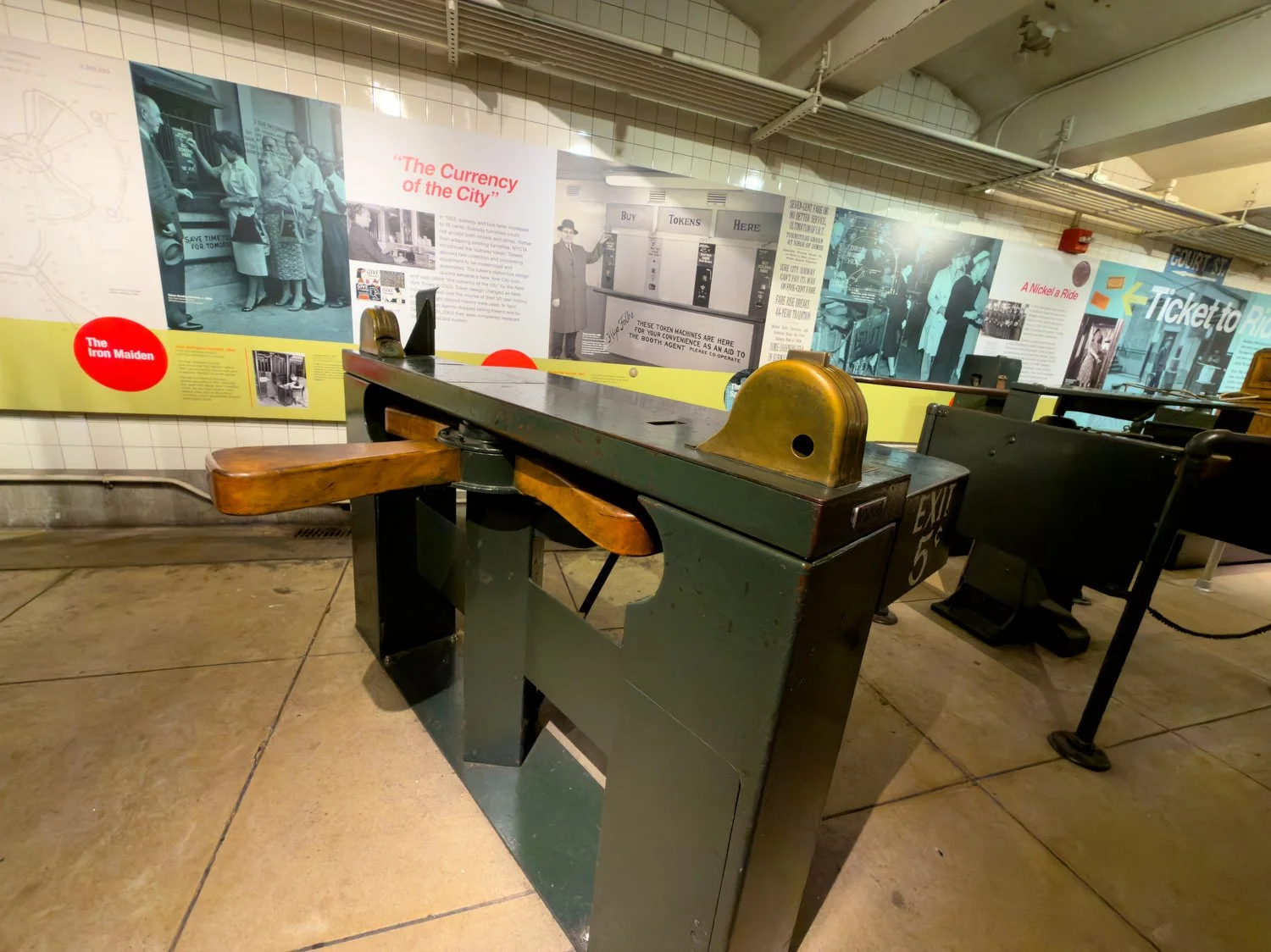

In the Ticket to Ride gallery, you can physically walk through a century of turnstiles. It’s a lot of fun to see how they developed from wood to high-tech steel. With the MetroCard officially retired as of 2025, the display feels especially newsworthy:
1904: Paper tickets & wood-framed choppers.
1953: The birth of the iconic brass token.
1994: The MetroCard era (look for the FAREwell, MetroCard installation).
2026: The modern OMNY contactless standard.
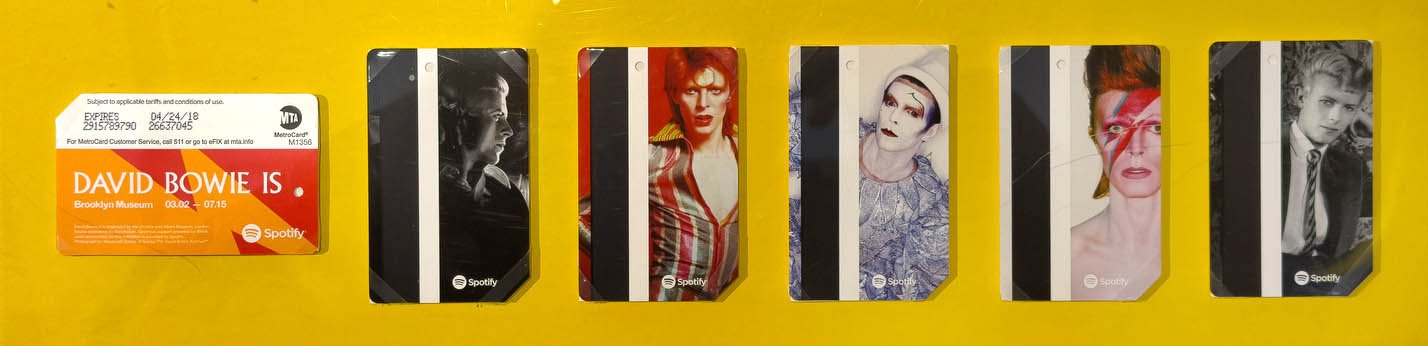
For a 2018 David Bowie exhibit at the Brooklyn Museum 5 MetroCards were issued.
The Bus Exhibit
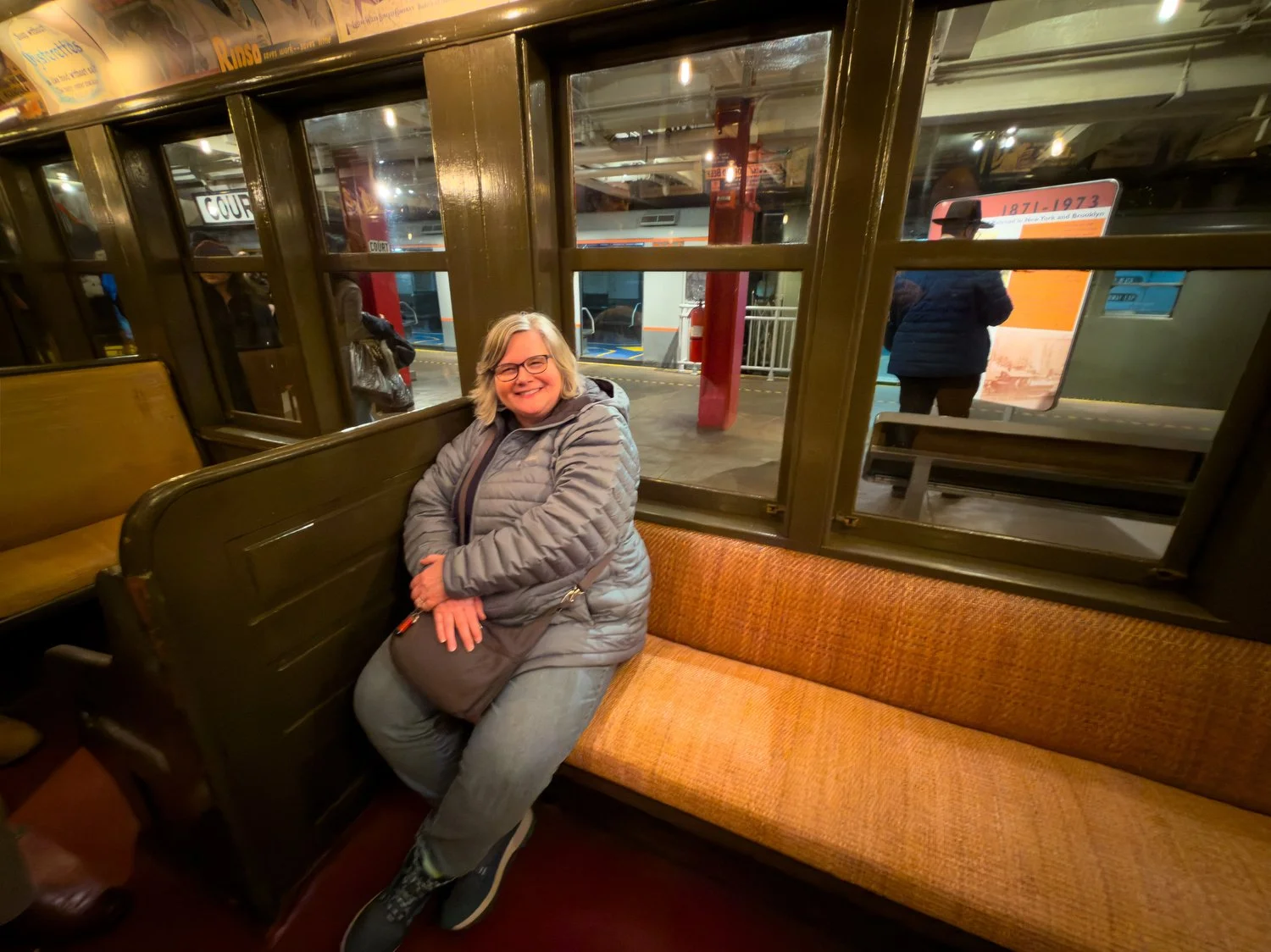
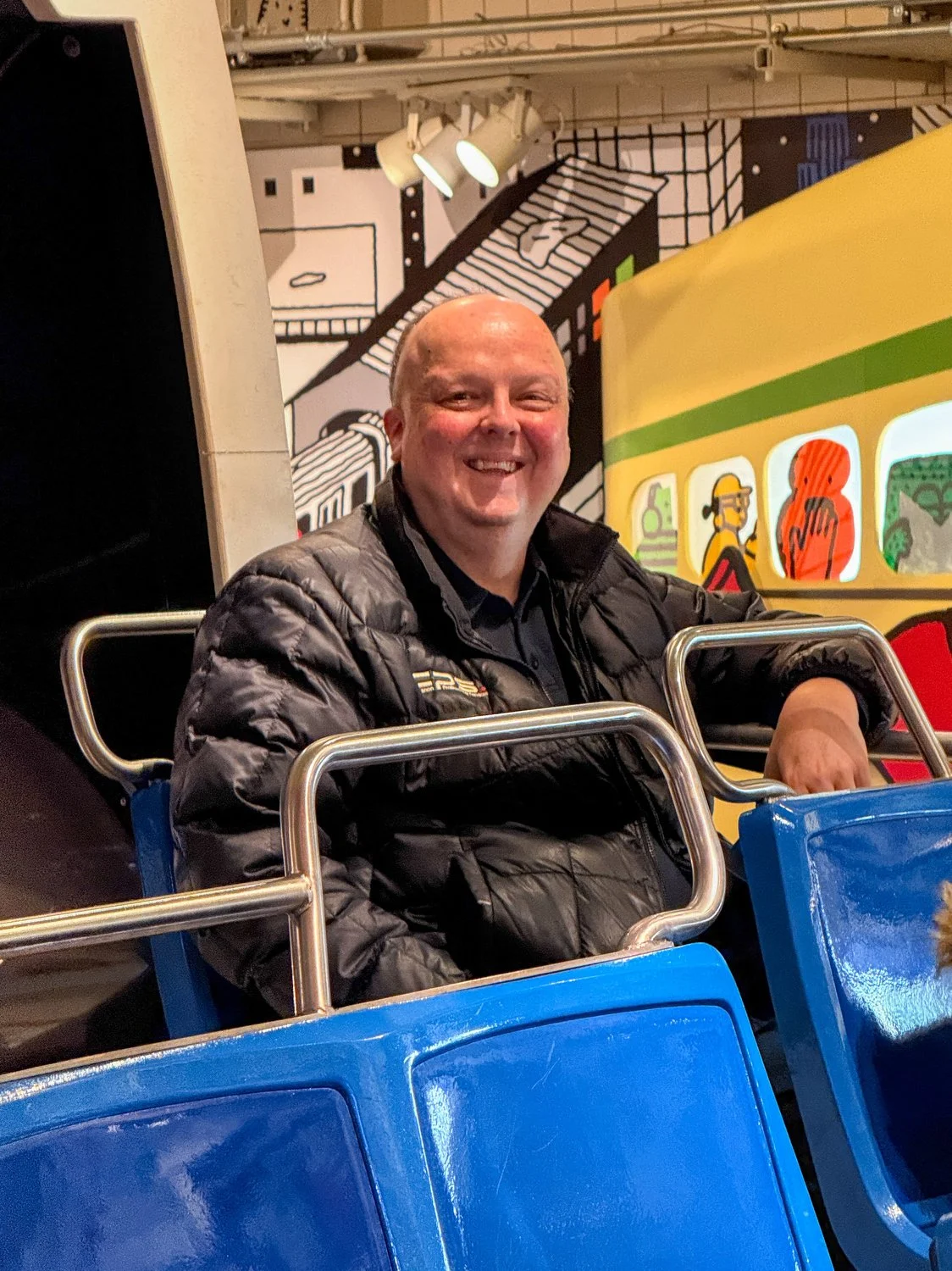
In the back of the Mezzanine is a large gallery on the evolution of buses. It’s great for kids, but even as an adult, I found a great seat on a replica bus and watched a very interesting documentary video on the system's growth.
Level 2: The Platform (The Vintage Fleet)
The heart of the museum lies on the lower level, where two full city blocks of track house a rotating fleet of twenty vintage railcars. Yes, you can actually go inside them—and that’s the best part.
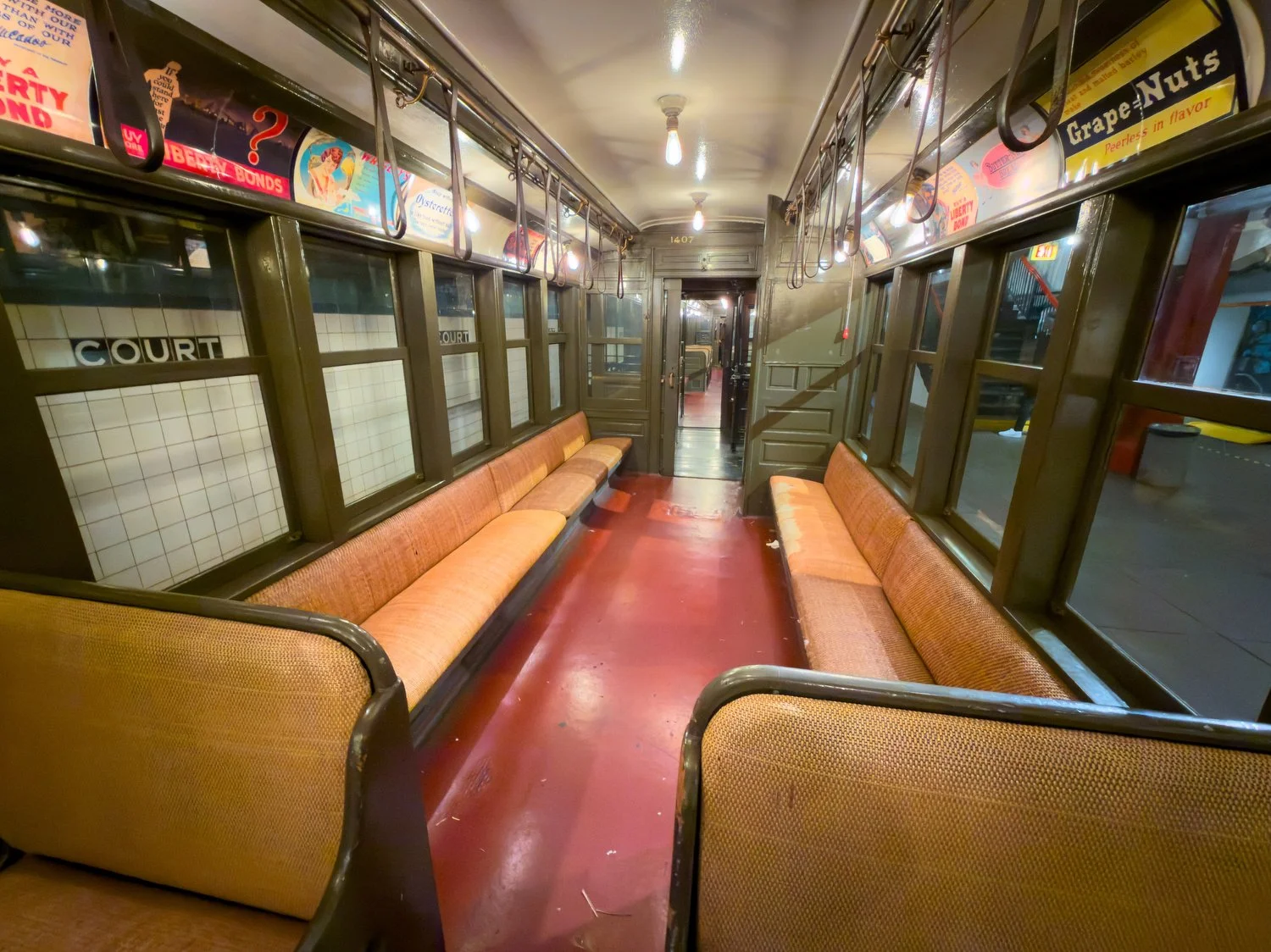
The wicker seats inside a vintage subway car.
From Wicker Seats to Stainless Steel
The BU Gate Cars (1903): These composite wood-and-steel cars feature open-air platforms, rattan (wicker) seats, and exposed incandescent light bulbs.
The Arnines (1930s): The classic City-Car aesthetic with those iconic polished metal poles and olive-green paint.
The Redbirds & Brightliners: The colorful backbone of the post-war era and the first mass-produced stainless steel cars from the 1960s.

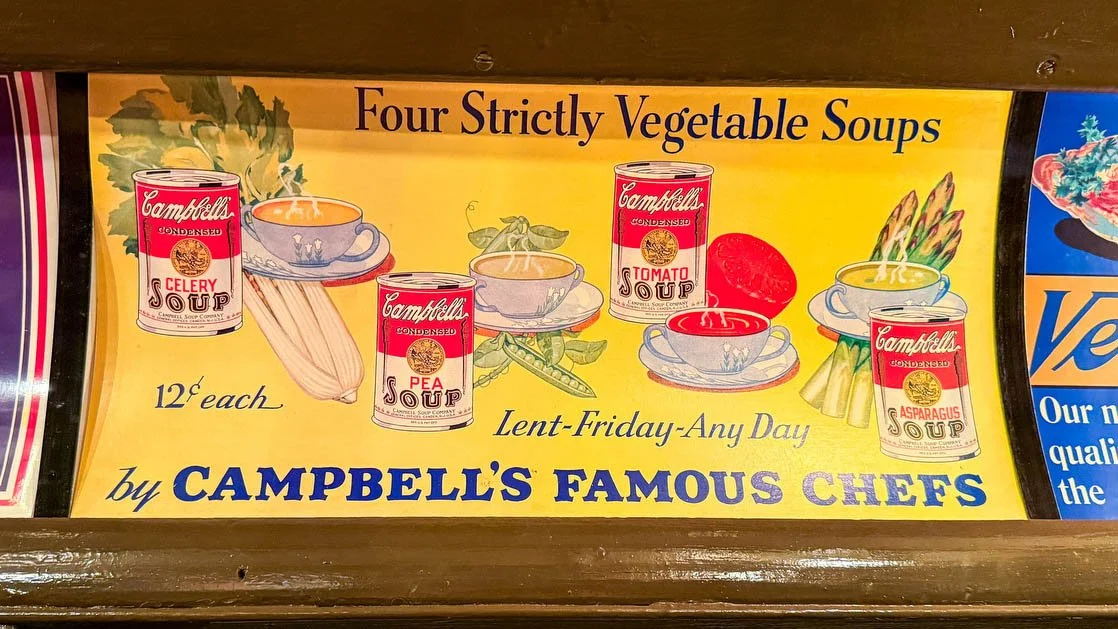
Pro Traveler Tip: If you visit during the Holiday Nostalgia Rides in December, the museum actually runs these vintage cars on active MTA tracks. For the price of a standard $2.90 swipe, you can ride a 1930s train! You’ll often see riders dressed in period-appropriate 1940s clothing to match the vibe.
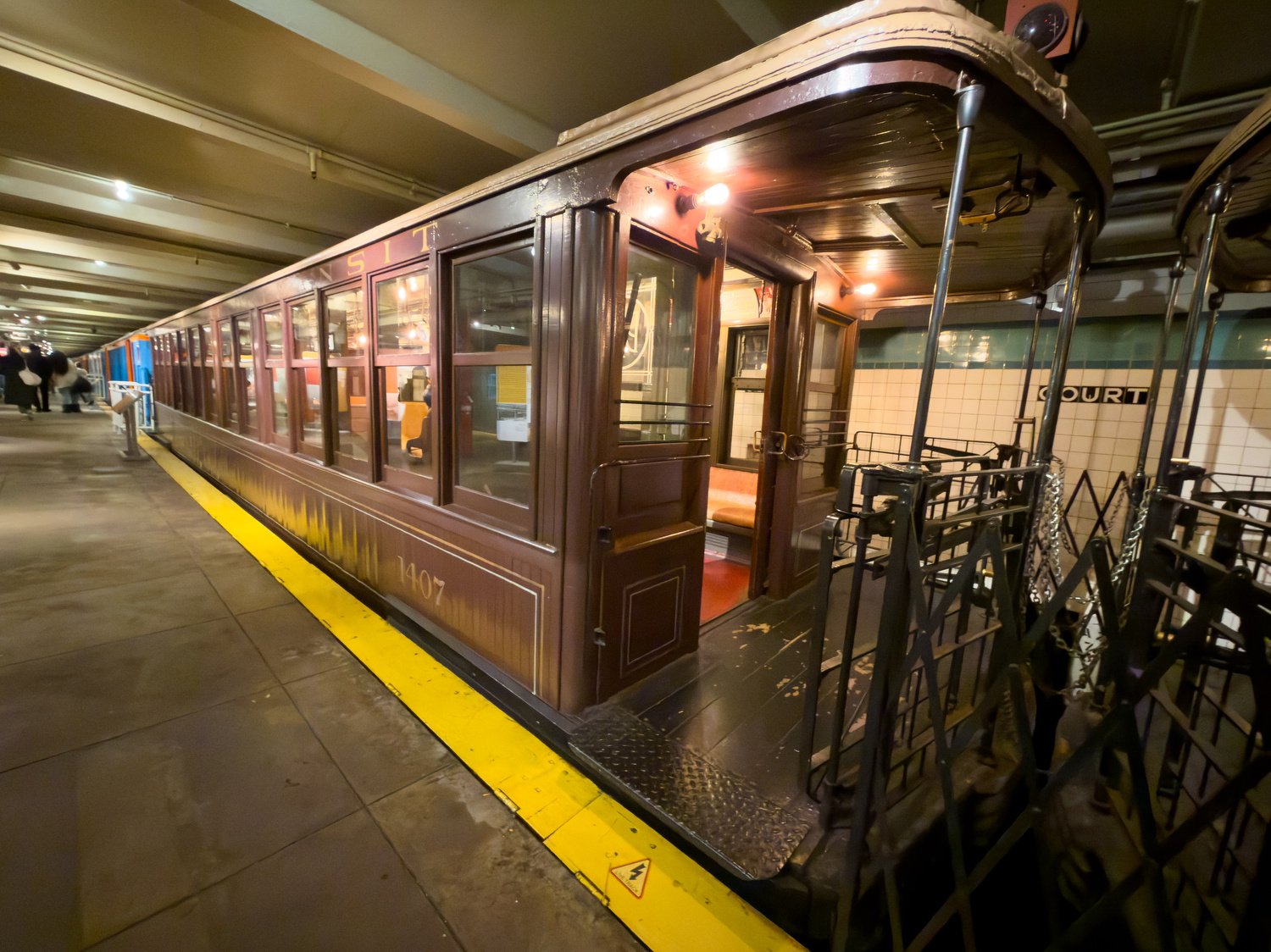
A Brooklyn Union subway car from 1907
The Money Train
Keep an eye out for the Money Train, a pair of reinforced, secretive railcars used for over a century to collect cash from station booths under the cover of night. It’s a fascinating glimpse into the "secret service" of the MTA.
Lights, Camera, Action: A Hollywood Favorite
Because the station looks so authentic, it’s a go-to for filmmakers. You might recognize the platforms from:
Films:The Joker, Bridge of Spies, The French Connection, and In the Heights.
Music: Chappell Roan’s "The Subway" performance and Olivia Rodrigo’s recent commercials.
Planning Your Visit
Admission: Adults $10.00 / Children & Seniors $5.00.
Reservations: Strongly encouraged! Tickets are released 3 weeks in advance. During our visit, they were sold out by mid-afternoon. If you have a reservation, staff will scan it; otherwise, you’ll buy tickets at the original vintage ticket window.
Restrooms: Keeping with the theme, these are the actual subway station bathrooms. They aren't "fancy," but they are authentic and relatively clean.
Gift Shop: While small, the shop is a haven for unique gifts. If you want a NYC souvenir, this is a great spot.
Planning a NYC trip? See all our New York City guides
A Perfect Day in Downtown Brooklyn
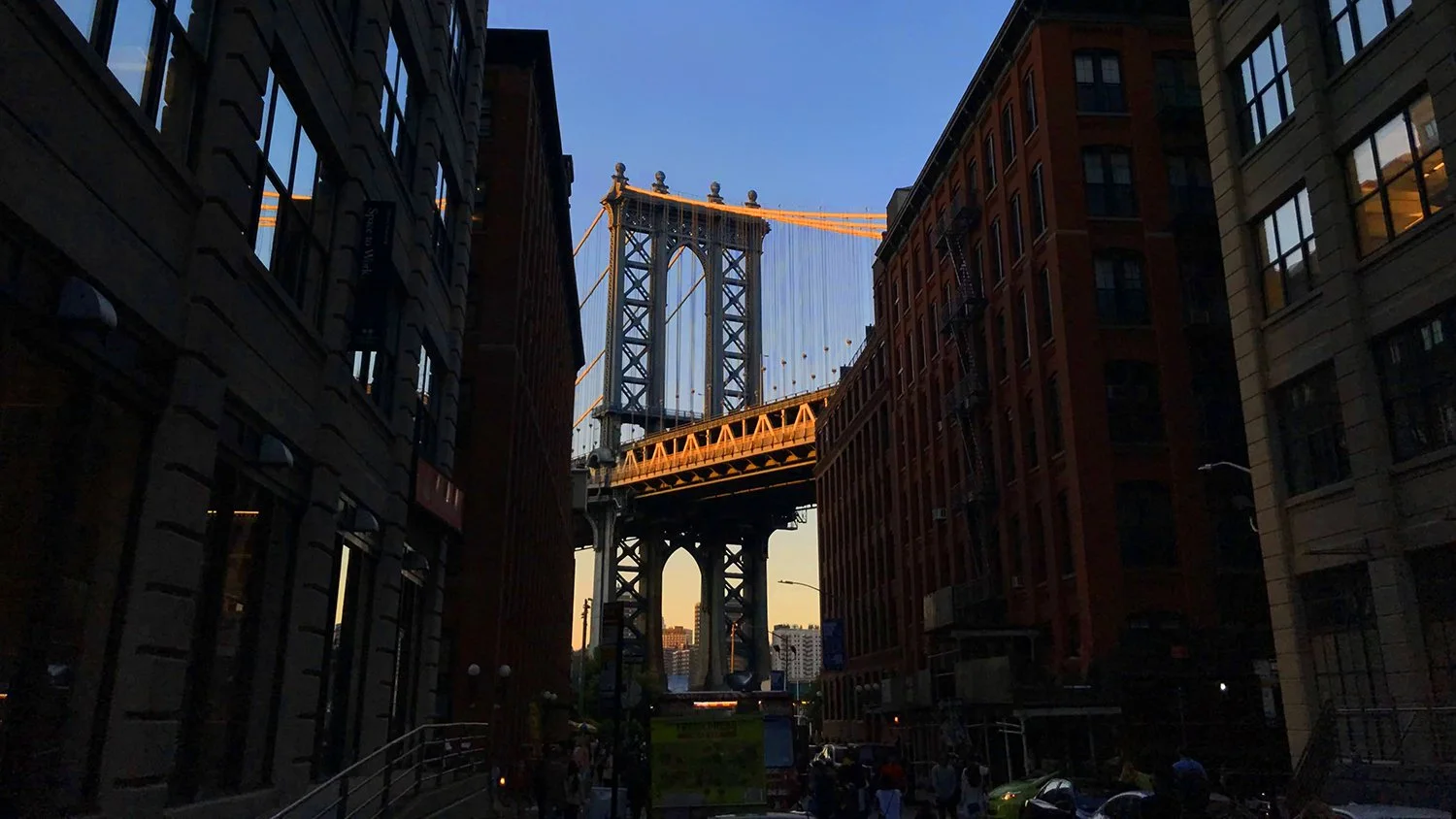
Sunset against the Manhattan Bridge in the DUMBO section on Brooklyn.
The museum is perfectly located between Brooklyn Heights and Boerum Hill. Here is how to build your day:
Morning: Walk across the Brooklyn Bridge and explore DUMBO.
Midday: Spend 2 hours at the Transit Museum.
Afternoon: Stroll the Brooklyn Heights Promenade for world-class skyline views.
Evening: Dinner on Smith Street.
Pro-Tip: We’d highly recommend a walk along Brooklyn Bridge Park. The city has invested heavily here recently and it shows! You can read more in our guide: Best Spots to Photograph the NYC Skyline.
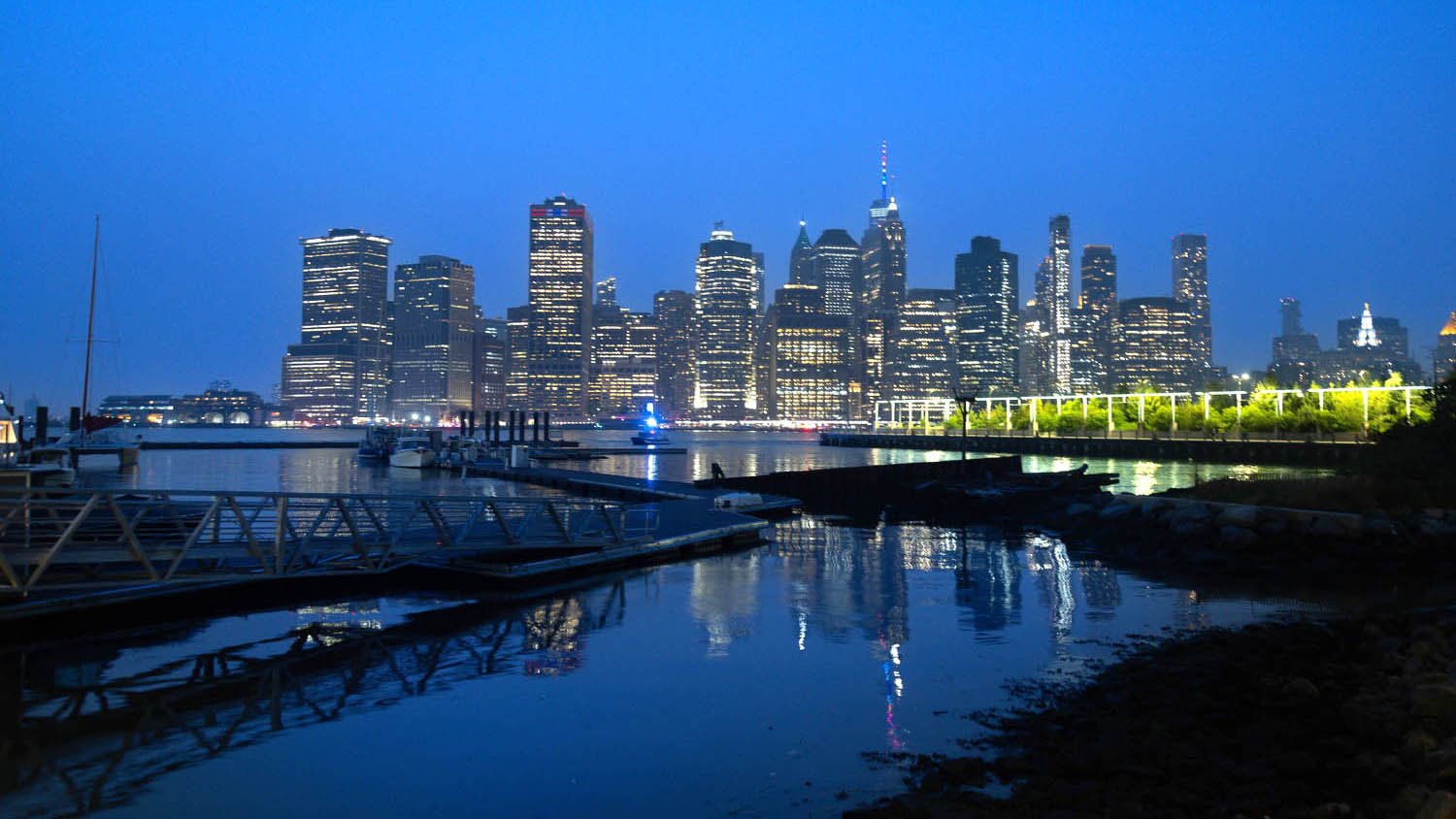
The Manhattan skyline from Brooklyn Bridge Park.
Where to Eat Nearby:
Hanco's: Incredible Vietnamese Banh Mi and bubble tea.
Gage & Tollner: A meticulously restored historic oyster and steakhouse for a "splurge" dinner.
DeKalb Market Hall: A massive food hall featuring a Katz’s Deli outpost.
Transit Museum FAQs
How much does the New York Transit Museum cost?
Admission is $10 for adults and $5 for kids ages 2 to 17 and seniors 62 and up. Children under 2 get in free, and members are always free. For everything you get, it's one of the best value museums in the city. We paid $10 each and spent about two hours, which felt like a bargain next to the bigger NYC museums.
What days is the New York Transit Museum closed?
The museum is closed on Mondays and Tuesdays. It's open Wednesday through Sunday, from 10 am to 4 pm. It also closes for a handful of holidays, including Thanksgiving, Christmas, New Year's Day, and Juneteenth. We'd suggest checking the official site before you go, since holiday hours can shift.
How long should you spend at the New York Transit Museum?
Plan for about two hours. That gave us enough time to walk through both levels, sit inside several of the vintage cars, and watch the documentary in the bus gallery without feeling rushed. If you love trains or you're bringing kids, you could easily stretch it longer. Kids tend to want to climb into every single car.
Is the New York Transit Museum worth visiting?
We think so, and it's become one of our favorite spots in Brooklyn. The setting alone makes it special. You're walking through a real 1936 subway station, not a recreation. Being able to step inside century-old subway cars and sit on the wicker seats is something you won't get anywhere else in the city. For $10 and a couple of hours, it's an easy yes.
Is the New York Transit Museum good for kids?
Yes, it's very kid-friendly. Little ones love climbing aboard the vintage buses and trains and pretending to drive. The working turnstiles are a hit too. One thing to keep in mind is that the platform level sits next to a live third rail, so you'll want to keep an eye on younger kids down there. The museum is also two flights of stairs with no elevator, so it's a bit of a haul with a stroller.
About the Authors

|
John and Debbie O'Boyle are the team behind The Empty Nest Explorers. John is a professional photographer whose work has been published by The New York Times, NBC News, and Getty Images. He is a member of the American Society of Media Photographers, has been part of a Pulitzer Prize-winning team, and has received two New York Emmy nominations. Debbie is a writer with 30+ years of professional photography experience, formerly with The Star-Ledger and NJ.com. Together, they create in-depth travel guides for couples and empty-nest travelers who want to make the most of every destination. |