
NYC Subway Guide for Visitors 2026: How to Ride Like a Local
Debbie and I have been riding the NYC subway for decades. We live just outside the city, and it's our default way to get around whenever we visit.
The system can look overwhelming at first glance. But once you understand a few basics, it's actually one of the easiest metro systems in the world to navigate.
Absolutely take the subway during your visit.
Nearly 3.6 million people ride the NYC subway every day for a reason. There is no faster, cheaper, or more efficient way to get around New York City.
Taking the subway will allow you to make the most of your time in New York City.

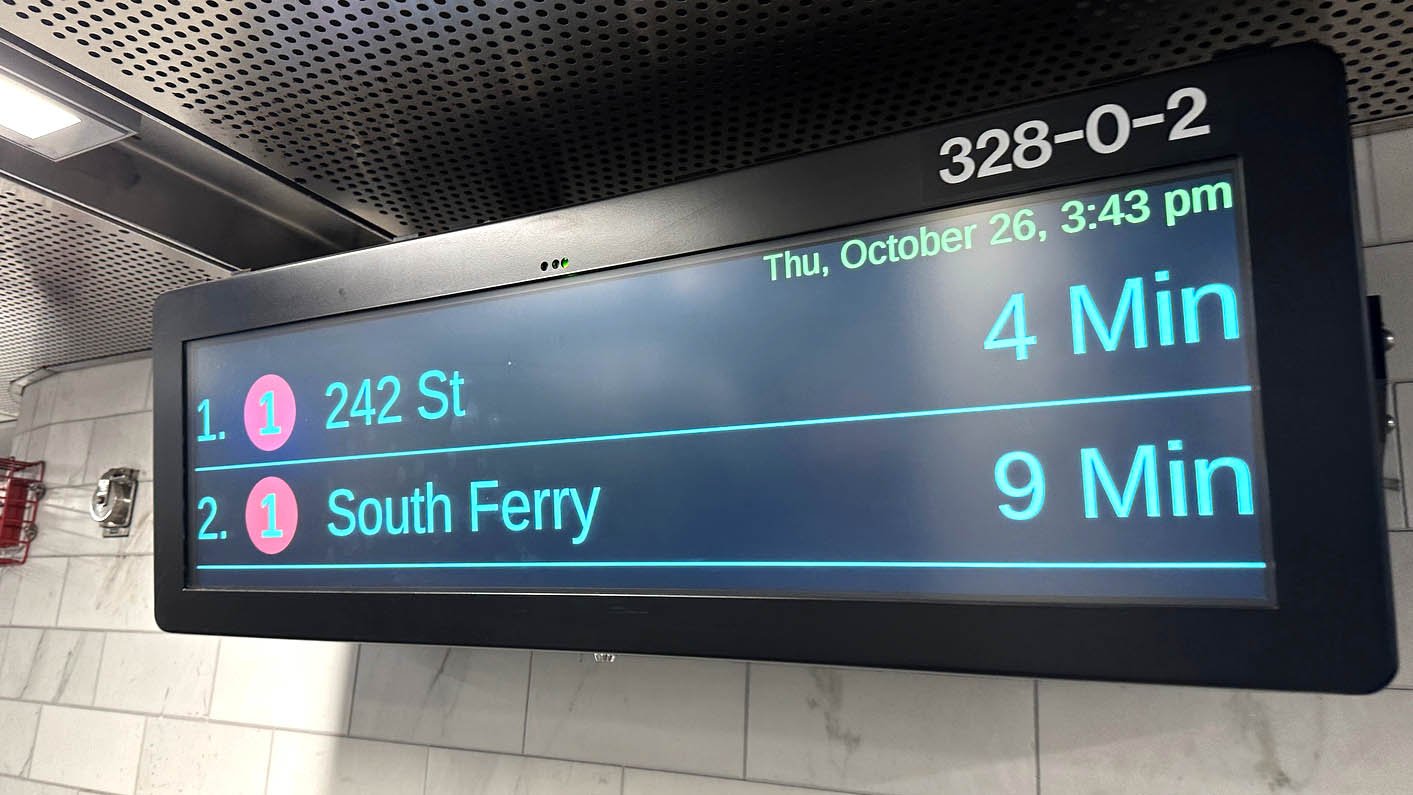
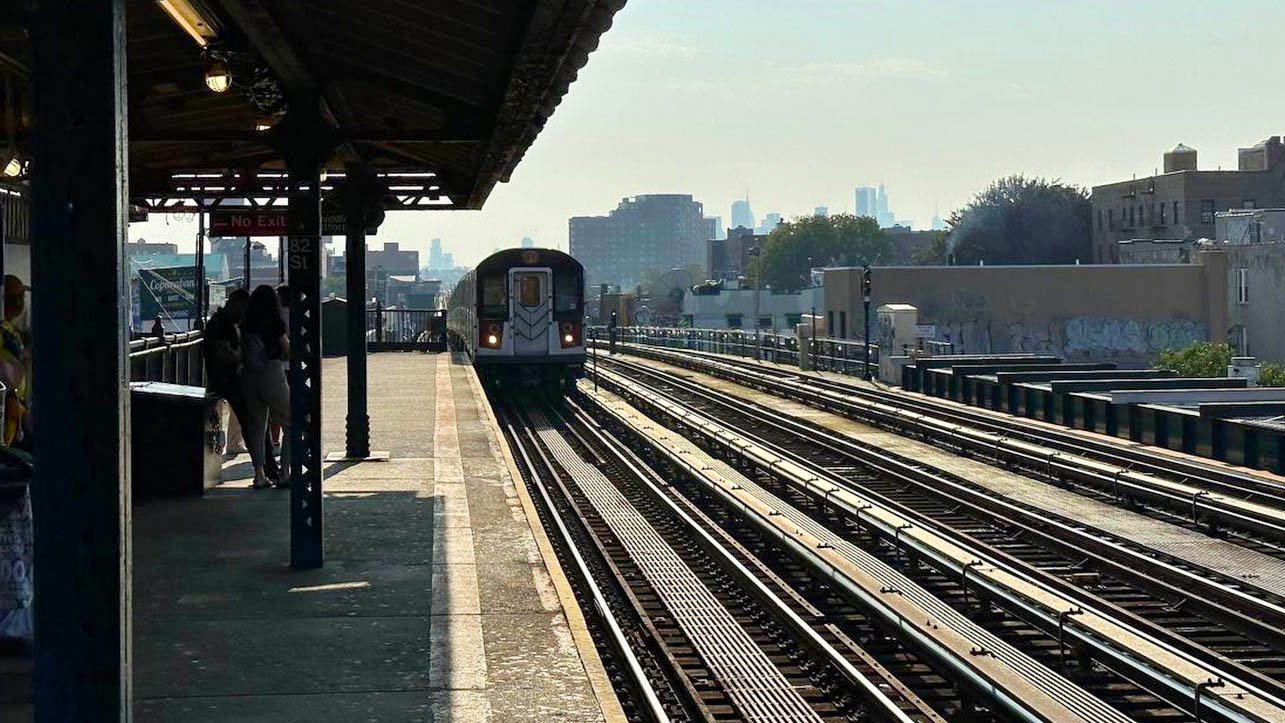
The number 7 train started running in 1915.
| 🚇 NYC Subway Quick Facts (2026) | |
|---|---|
| 🎟️ Base Fare | $3.00 per ride |
| 📅 Weekly Cap | $35 — free after 12 rides in any 7-day period |
| 💳 How to Pay | Tap your credit/debit card, phone, or OMNY card |
| 🚌 Bus Transfer | Free within 2 hours using the same payment method |
| 🕐 Hours | 24 hours a day, 7 days a week |
| 👶 Children | FREEKids under 44 inches tall ride free with a paying adult |
| 📱 Best Navigation App | Google Maps or the free MTA app |
Use Google Maps to navigate the subway system
While the printed NYC subway map is iconic, printed on everything from t-shirts to coffee mugs, Google Maps is a more efficient tool.
The subway runs 24 hours a day, so there are often maintenance changes, particularly on the weekend.
Google Maps will keep you updated on any changes and steer you in the right direction.
Google Maps is our go-to. The MTA also has its own free app with real-time service alerts, live arrival times, and trip planning built in. Worth having both on your phone.
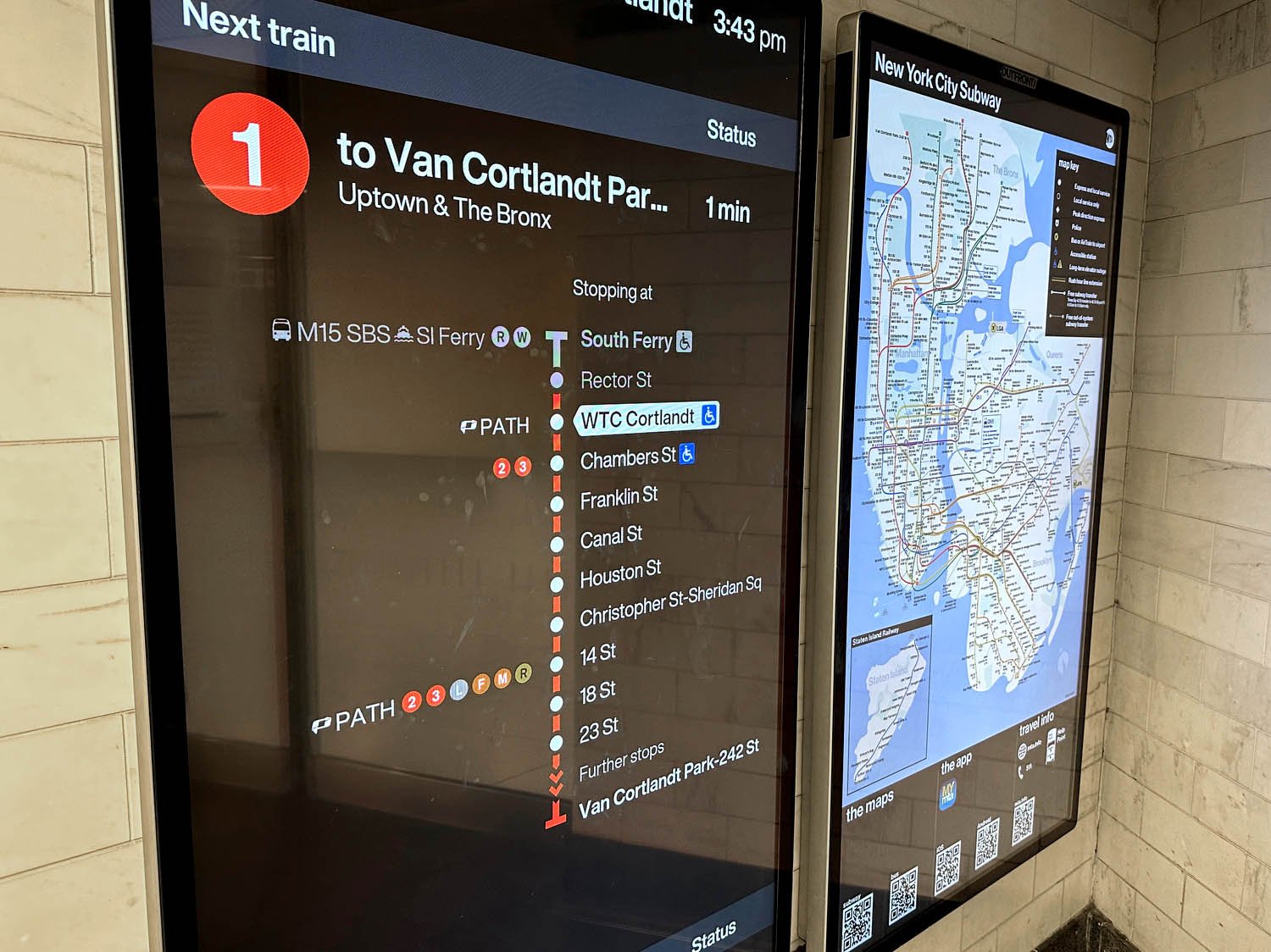
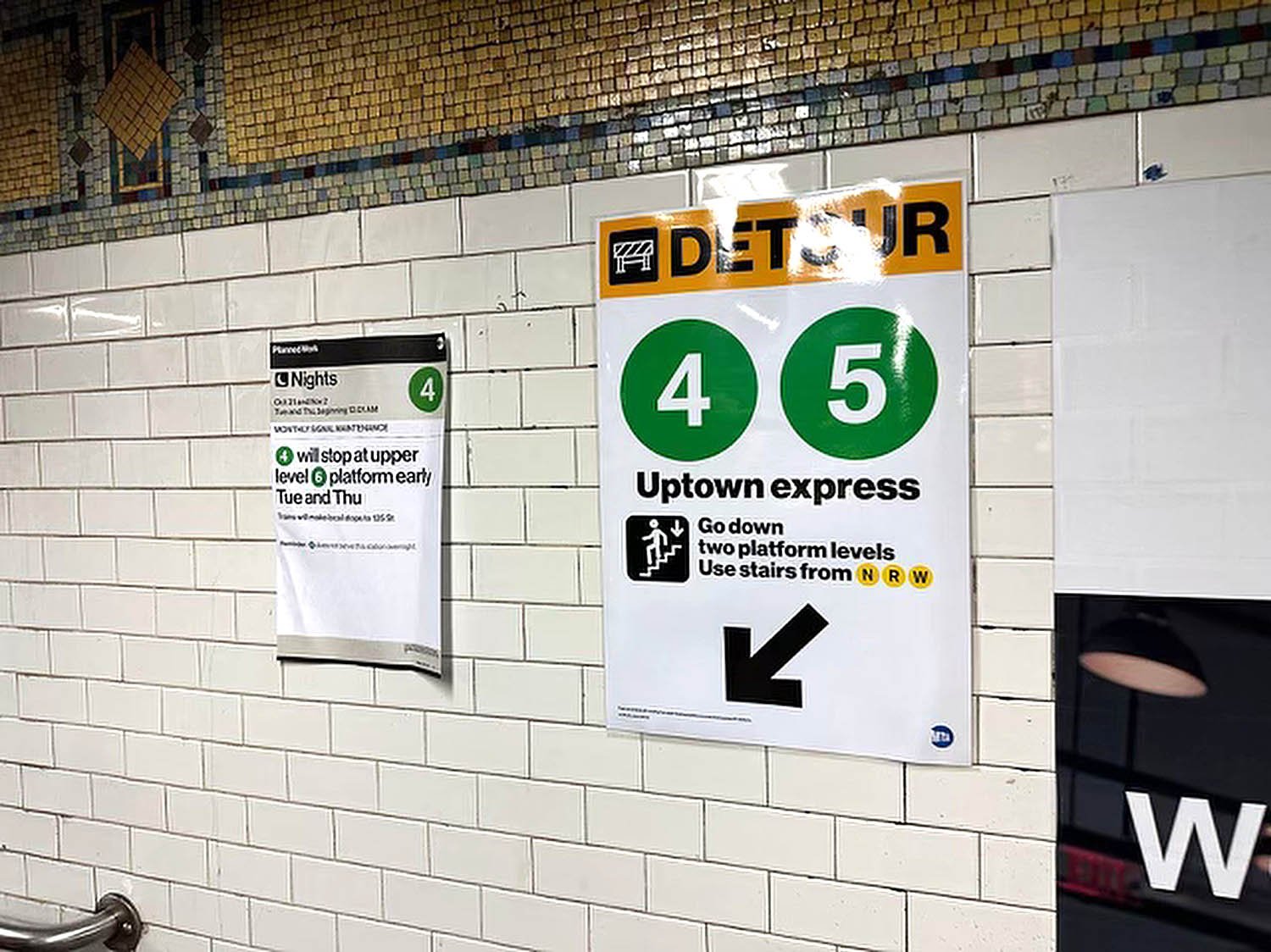
How do I pay for the subway?
The easiest way to pay is to tap your credit card, debit card, or phone directly on the OMNY reader at the turnstile. You'll see a green light, and the gate opens. No app to download. No setup required.
The fare is $3 per ride. After 12 rides in seven days, the rest of that week is free. The weekly cap works out to $35 maximum.
If you'd rather have a physical transit card, you can pick up an OMNY card at any subway station vending machine. This is especially useful if you're visiting from outside the US and want to avoid potential foreign transaction fees on your bank card.
One thing worth noting for families: kids under 44 inches tall ride free when they're with a paying adult. No tap needed for them.
The MetroCard is no longer sold or refillable. If you've heard about MetroCards before your trip, you can skip them. OMNY is the system now.
Tip for international visitors Most international contactless bank cards work fine at OMNY readers. If your card gets flagged on the first tap, try one short local bus or subway ride to verify it with your bank. After that it should work without any issues.
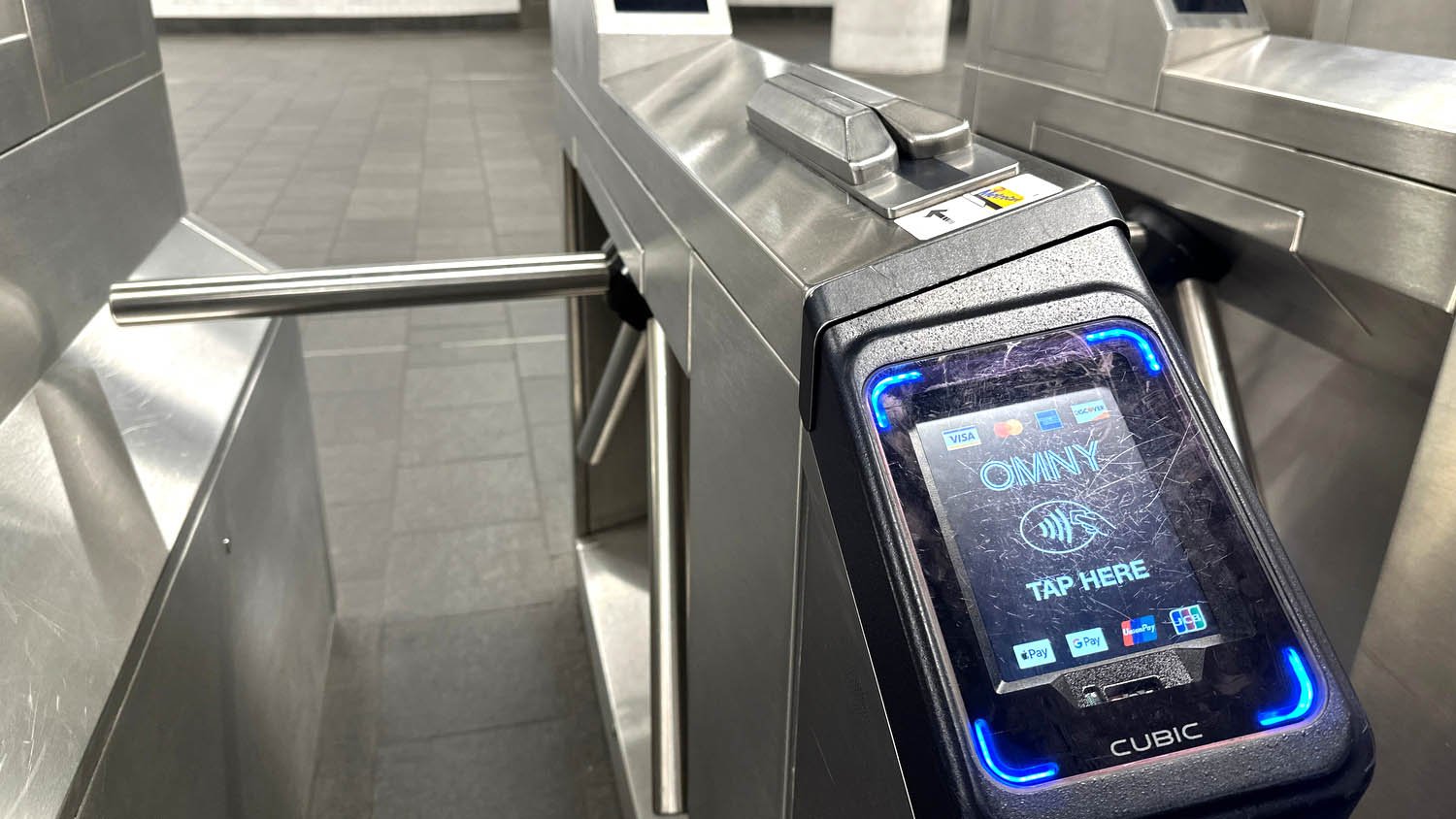
Just tap your credit card or phone to pay for a subway ride.
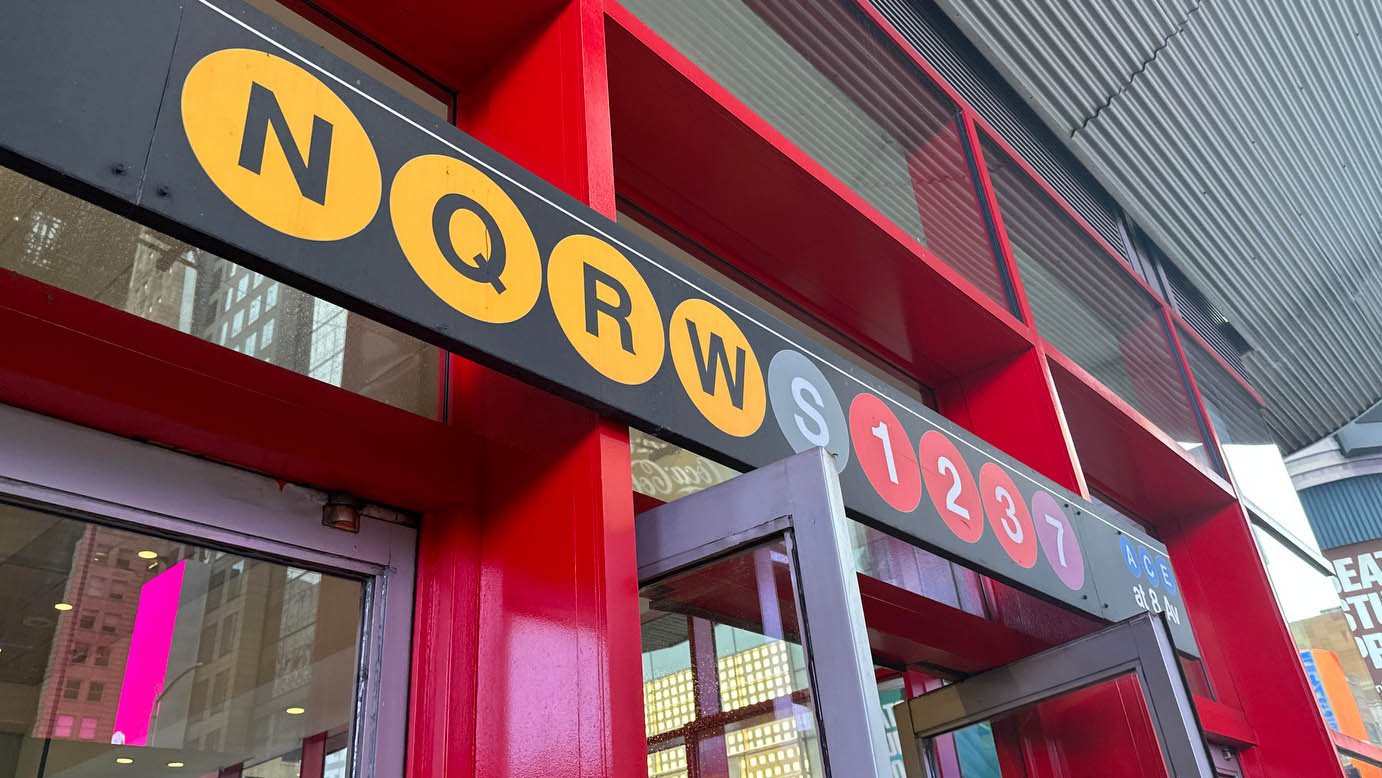
What’s uptown and what’s downtown?
Many cities call the city's central core “downtown” but Manhattan is a thin island that’s only about 2 miles wide and about 13 miles (20km) long so most subway lines run north to south.
So this generally means that south is “downtown” and north is “uptown”.
If you are in Times Square and want to go to the World Trade Center then you want to go “downtown”. If you are in Greenwich Village and want to go to Central Park then you want to go “uptown”.
Most of the larger subway stations enable you to access both the uptown and downtown tracks from any entrance.
If you see “downtown” at the entrance and you want to go “uptown” then cross the street and you’ll see an uptown entrance. This tends to happen at smaller stations.
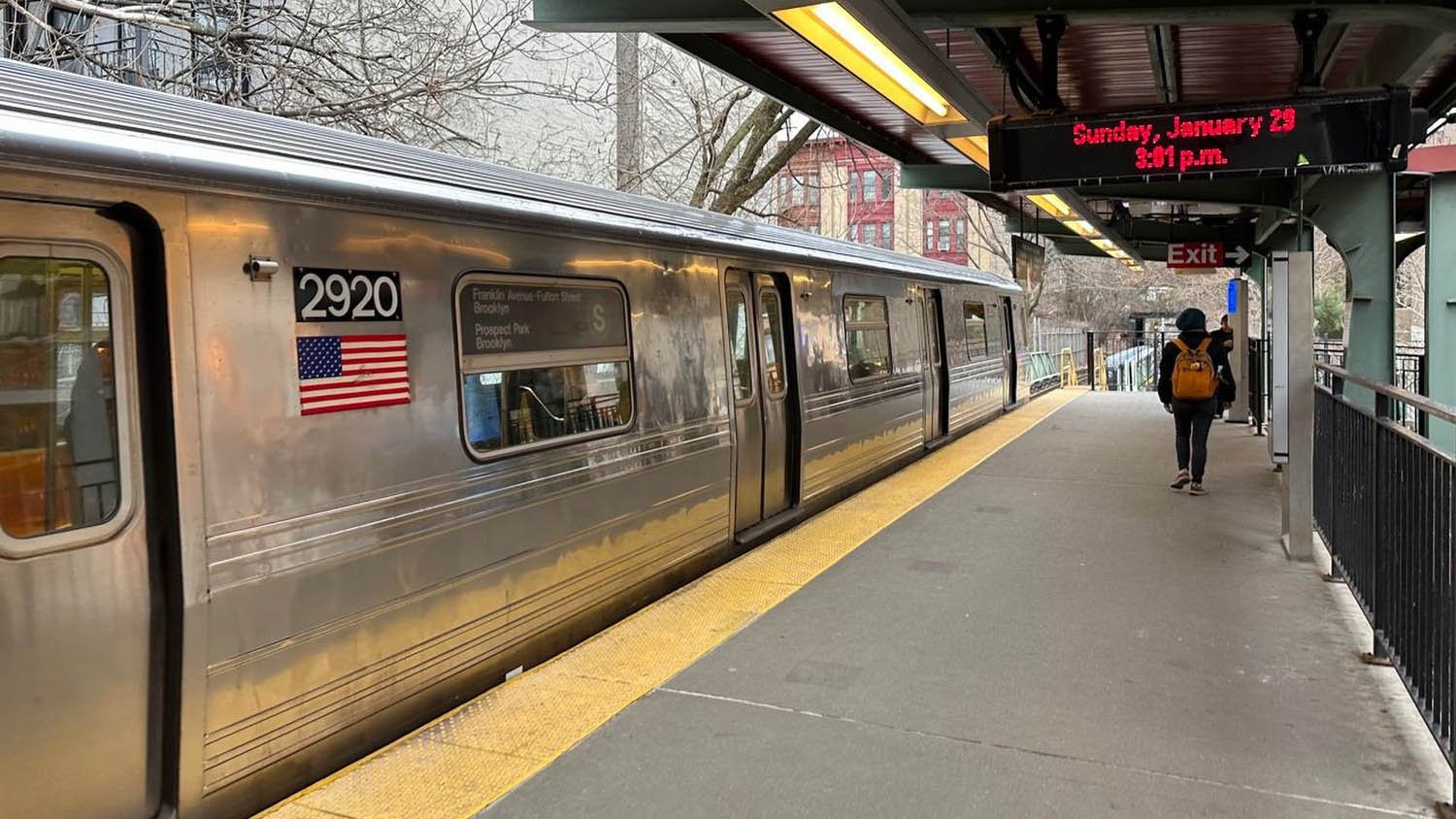
Should I take the express or the local train?
If you are looking at the official NYC subway map, you’ll see each station labeled with a black or white dot.
Black dots show that only local trains stop there, while white dots indicate that both express and local trains stop at the station.
Express trains save a lot of time if you're commuting across the boroughs every day.
For most visitors just hopping between neighborhoods, we'd suggest sticking with local trains. You're less likely to find yourself blowing past your stop.
Staying safe on the subway
Any crime that happens in the subway makes the news but statistically, the NYC subway is very safe.
A little common sense and staying aware of your surroundings can help make your trip a safe one.
Keep your valuables hidden and secure. Just like anywhere keep your wallet and your passport zipped away from pickpockets.
Stay away from the edge of the platform as you wait for the train.
The subway is crowded all day and night, so staying near other people will help keep you safe.
Unless it’s the middle of the night, if a car is empty there is probably a good reason; just walk a few feet to another car.
If you feel uncomfortable on a train switch cars at the next station.
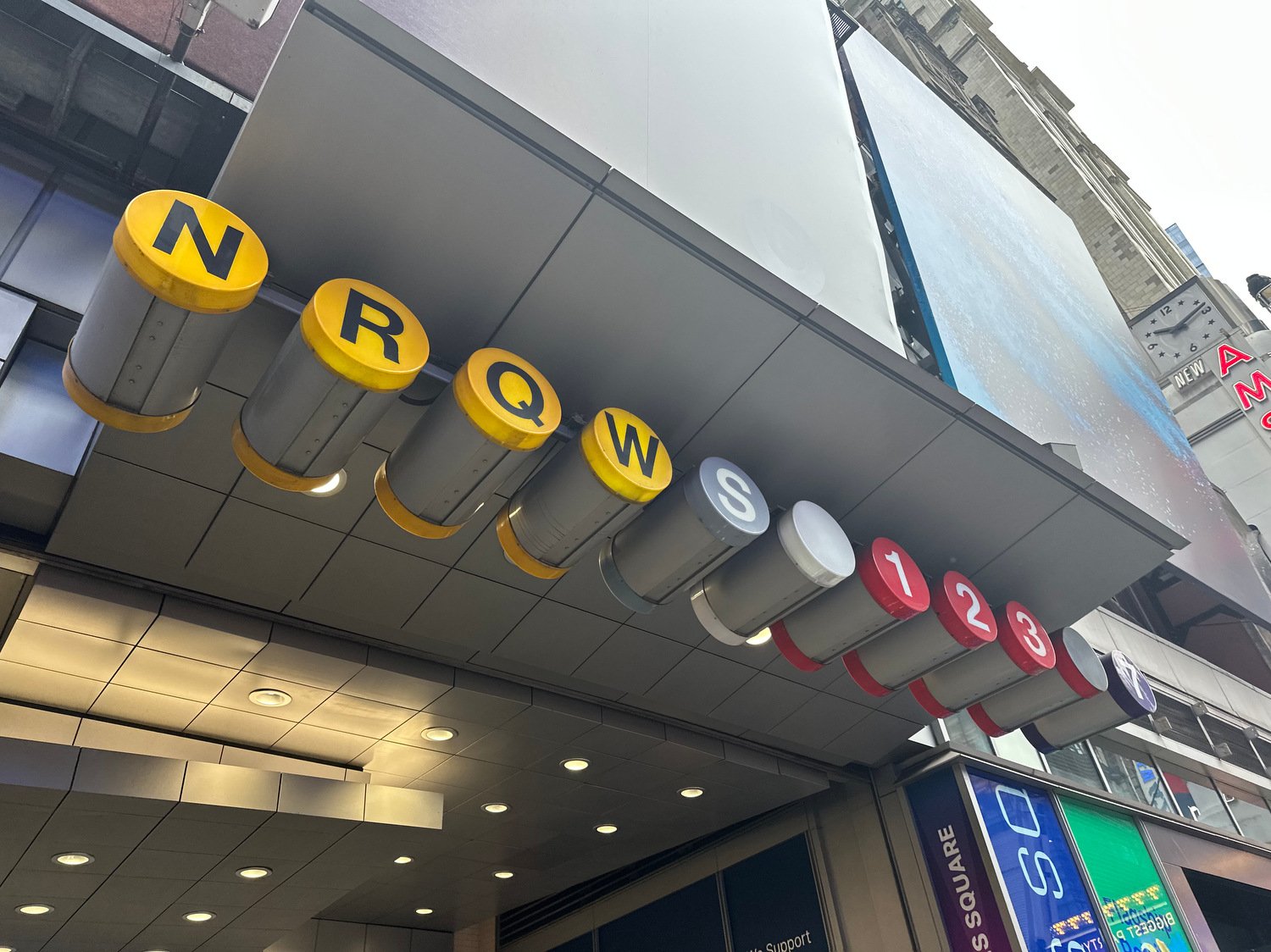
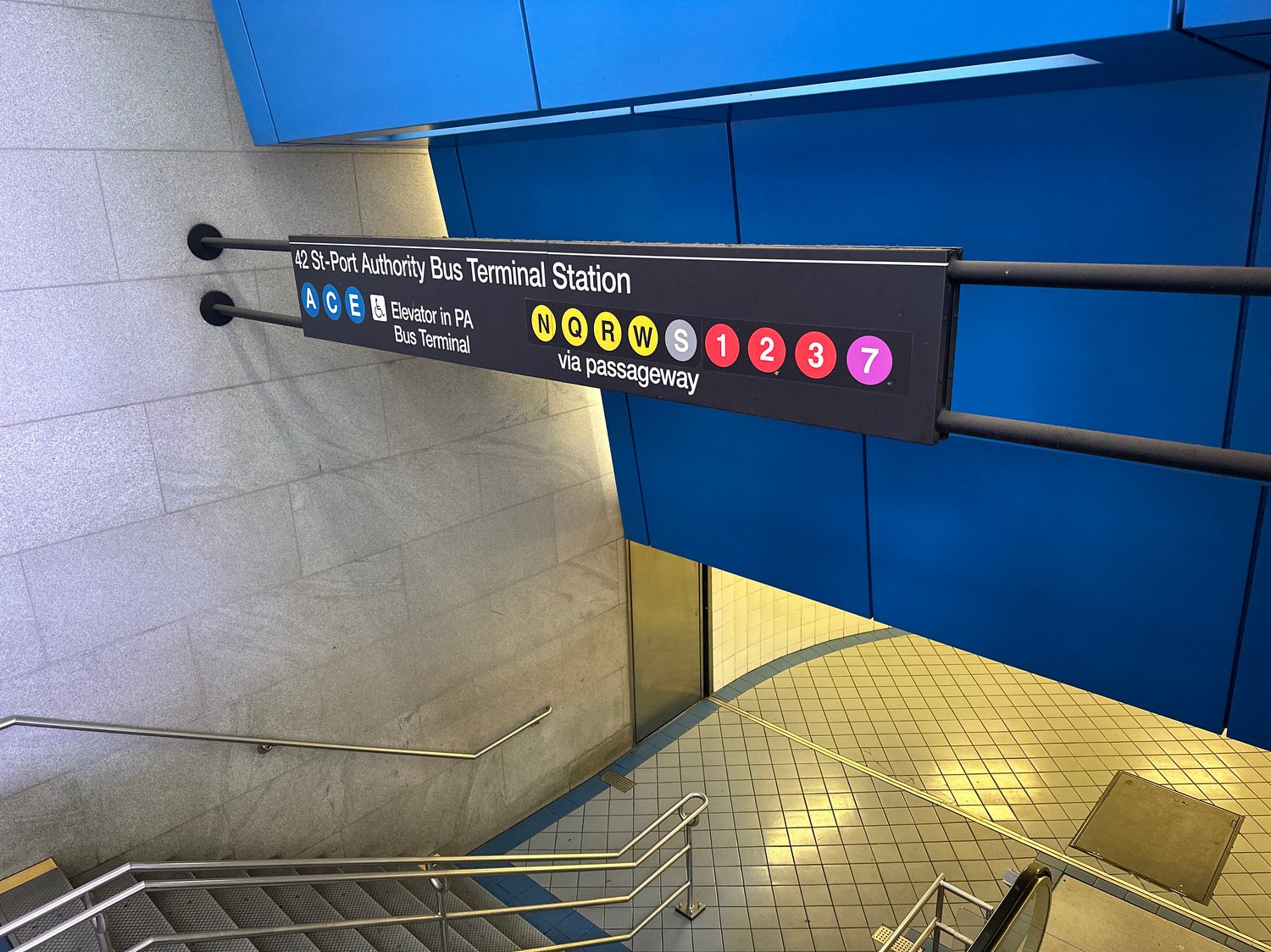
Use the numbers and letters, not the colors
Many subway systems use colors to label the various lines. Since New York’s subway system is more extensive than all the others, you need to follow the train’s number or letter instead of just the color
When in doubt, ask
While New Yorkers have a reputation for always being in a rush, most will happily show off their deep knowledge of the subway if you ask a question. You will be genuinely surprised by how helpful New Yorkers can be.
If you want to talk to a train crew member, there is an interesting way to find one. Honestly, I have been riding the New York subway for decades and never knew about the black and white striped "Zebra Board" on the station wall. The train conductor is required to point to a thin black and white board on the wall.
The safety method is said to have originated in Japan during the 1900s and was adopted by the NYC subway system. It ensures that the doors are aligned properly and the conductor is paying attention.
The conductor will stick their head out of the train at this location, so it’s a perfect spot for a quick question.
There are also manned booths at most subway stations, but they are before the pay turnstiles.

Use pedestrian tunnels to transfer between train lines
Many of the large stations have tunnels that will allow you to transfer to lines blocks away without having to pay for another ride.
Some of these, indicated by a black line on the subway map, are in the World Trade Center and Times Square areas.
The map below shows transfer tunnels in the World Trade Center area.
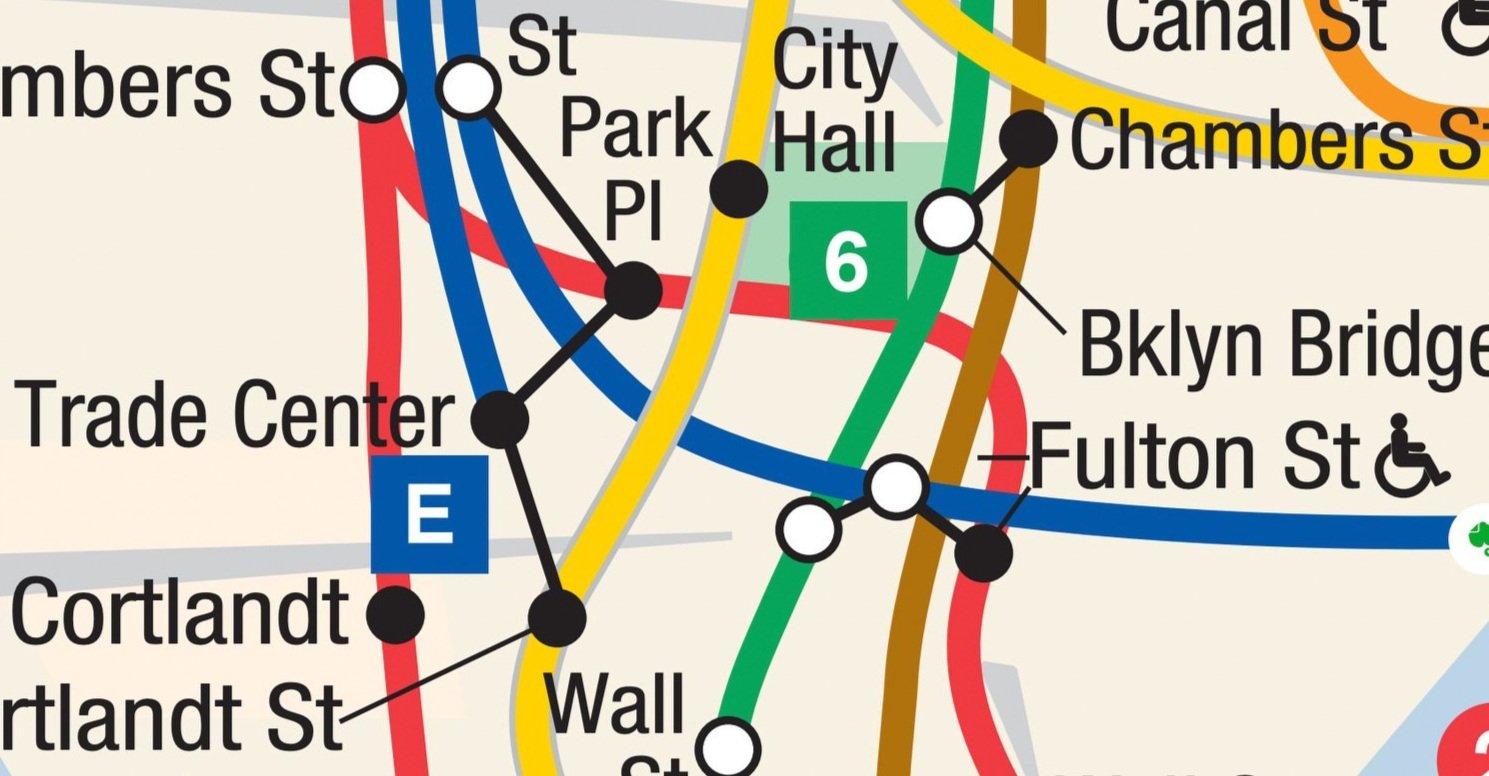
Black lines indicating pedestrian tunnels between stations.
Subway etiquette
These are a few tips that might help you avoid any nasty looks while riding the subway:
Take off your backpack when getting on the train.
Don't put your bag on the seat next to you.
Move into the car to let others get on board.
I hope these tips helped, the subway will speed up your trips and is absolutely the best way to get around New York City.

The subway station in Times Square.
Some well-reviewed New York City tours
Note - This blog post contains affiliate links. This means that if we are recommending a product, activity, or hotel, we might be receiving a small commission if you buy or book from these links. This is done at no additional cost to you. We only recommend products we have personally used or have thoroughly researched.
Other NYC travel posts you might like:






Debbie and I are in Manhattan most weeks, for work and to visit our son, and we still love showing people around.
Here are our honest picks for the best things to do, the ones worth your time, the few we would skip, and how to see the city without cramming your days.