
Brooklyn Botanic Garden Visitor Guide
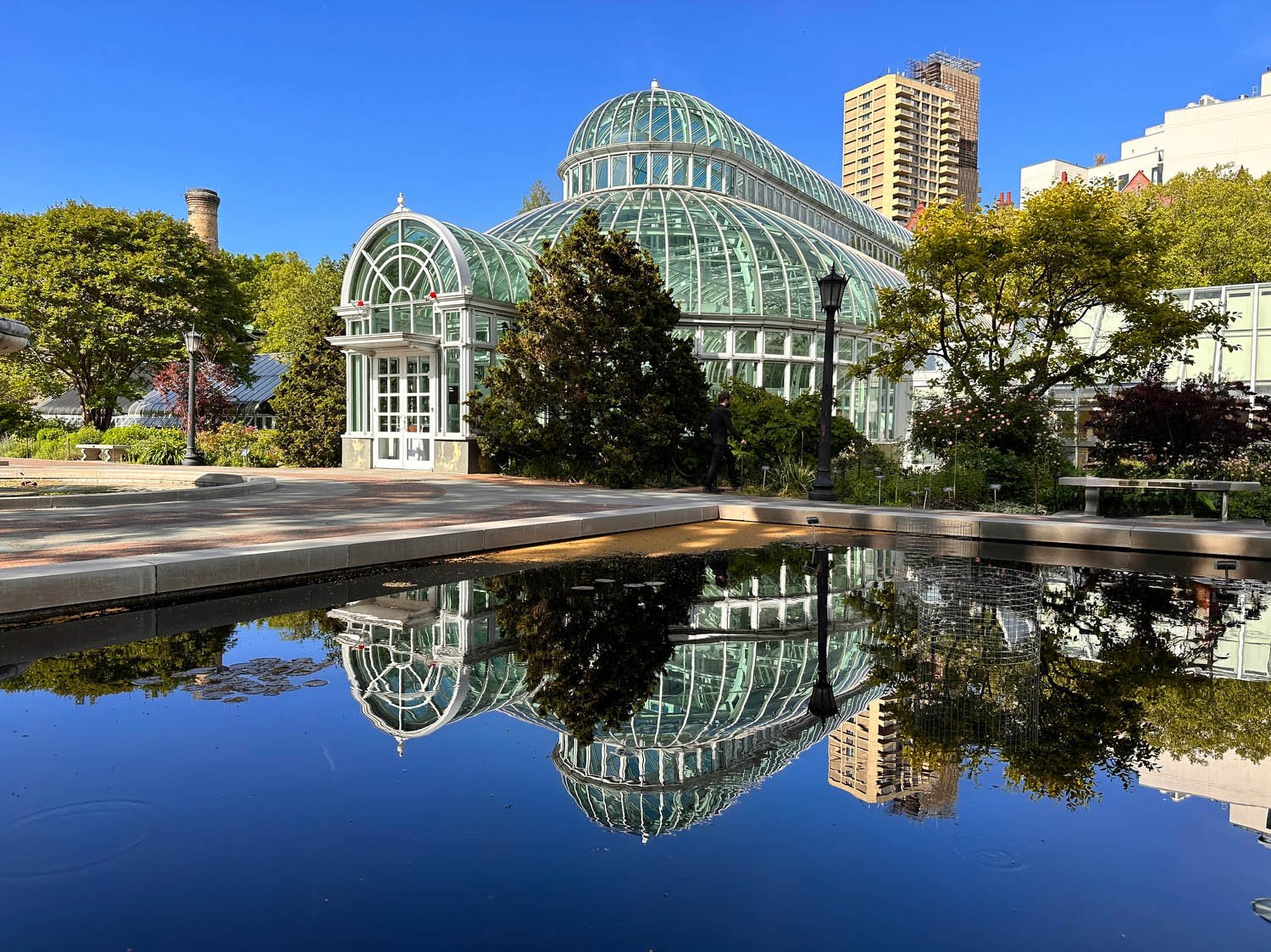
The Steinhardt Conservatory. All photos by John O’Boyle / The Empty Nest Explorers
Updated: July 19, 2026
One of the best decisions Debbie and I made on a recent Brooklyn afternoon was skipping the city entirely and spending a few hours at the Brooklyn Botanic Garden.
It's 52 acres of carefully tended gardens right next to Prospect Park, and it's one of those places that never gets old, no matter the season.
The Garden was founded in 1910 and today features more than 14,000 kinds of plants from around the world.
| 📍 Entrances | 455 Flatbush Avenue and 990 Washington Avenue, Brooklyn, NY 11225. |
| ⚠️ Currently Closed | The Eastern Parkway entrance and the Osborne Garden are closed for restoration work. Use Flatbush or Washington Avenue instead. |
| 🎟️ Admission | About $22 adult at the gate, slightly more online. Around $16 for seniors 65+ and students with ID. Children under 12 free. |
| 🕐 Hours | Generally opens at 10am. Some summer evenings run later. Last entry is 30 minutes before closing. Hours change by season, so check bbg.org/visit/hours. |
| 📅 Closed | Mondays, aside from some holidays. |
| 🎟️ Booking | Timed entry tickets. Advance booking is worth it in spring and on weekends. Book at bbg.org/tickets. |
| 🌸 Cherry Blossoms | Typically bloom through April into early May. The Garden opens early at 8am during bloom season. |
| ⏳ Time Needed | Two to three hours for a proper visit. All 52 acres would take most of a day. |
| 🚇 Closest Subway | Franklin Avenue (4, 5) or Prospect Park (B, Q, S). Eastern Parkway (2, 3) still works, but that entrance is closed, so you will walk around. |
| 🍽️ Food | Two restaurants and a coffee bar inside. Outside food and drink are not allowed. |
Ticketing and Admission
One thing to know before you go: the Brooklyn Botanic Garden requires timed-entry tickets.
You can buy them at the entrance, but during spring or any busy weekend, things can sell out. Buying online at bbg.org/tickets ahead of time saves a lot of hassle.
Adult admission runs about $22 at the gate and a little more online. Seniors 65 and up pay around $16, and so do students with ID. Children under 12 get in free.
That senior rate is worth knowing. It saves a couple six dollars each, which covers the lemonade.
If you visit on a weekday between December and February, the Garden runs pay-what-you-wish pricing. That makes for a very cheap winter afternoon.
One more option worth knowing about. The Garden sells a combined Museum and Garden ticket that gets you into the Brooklyn Museum next door on the same day. If you are already making the trip out, it turns a half day into a full one. The Museum is closed Tuesdays, so plan around that.
Also worth noting, last entry is 30 minutes before closing. Do not cut it close, because 52 acres deserves more than a half hour.
Where is the Brooklyn Botanic Garden located?
The Brooklyn Botanical Garden sits right next to Prospect Park and the Brooklyn Museum. There are two entrances open right now, at 455 Flatbush Avenue and 990 Washington Avenue. The Eastern Parkway entrance is closed for restoration work, so do not plan on that one.
How do I get to the Brooklyn Botanic Garden?
As you might have guessed, mass transit is the best way to visit the Brooklyn Botanical Garden.
Here are the closest subway stations:
Franklin Avenue/Botanic Garden Station, 4 and 5 lines
Prospect Park Station, B, Q and S lines
Eastern Parkway-Brooklyn Museum Station, 2 and 3 lines. The Eastern Parkway entrance is currently closed, so walk around to Flatbush Avenue or Washington Avenue.
New to the NYC subway? Our NYC Subway Guide for Visitors 2026 has everything you need to know
If you drive, there is limited parking at 900 Washington Avenue.
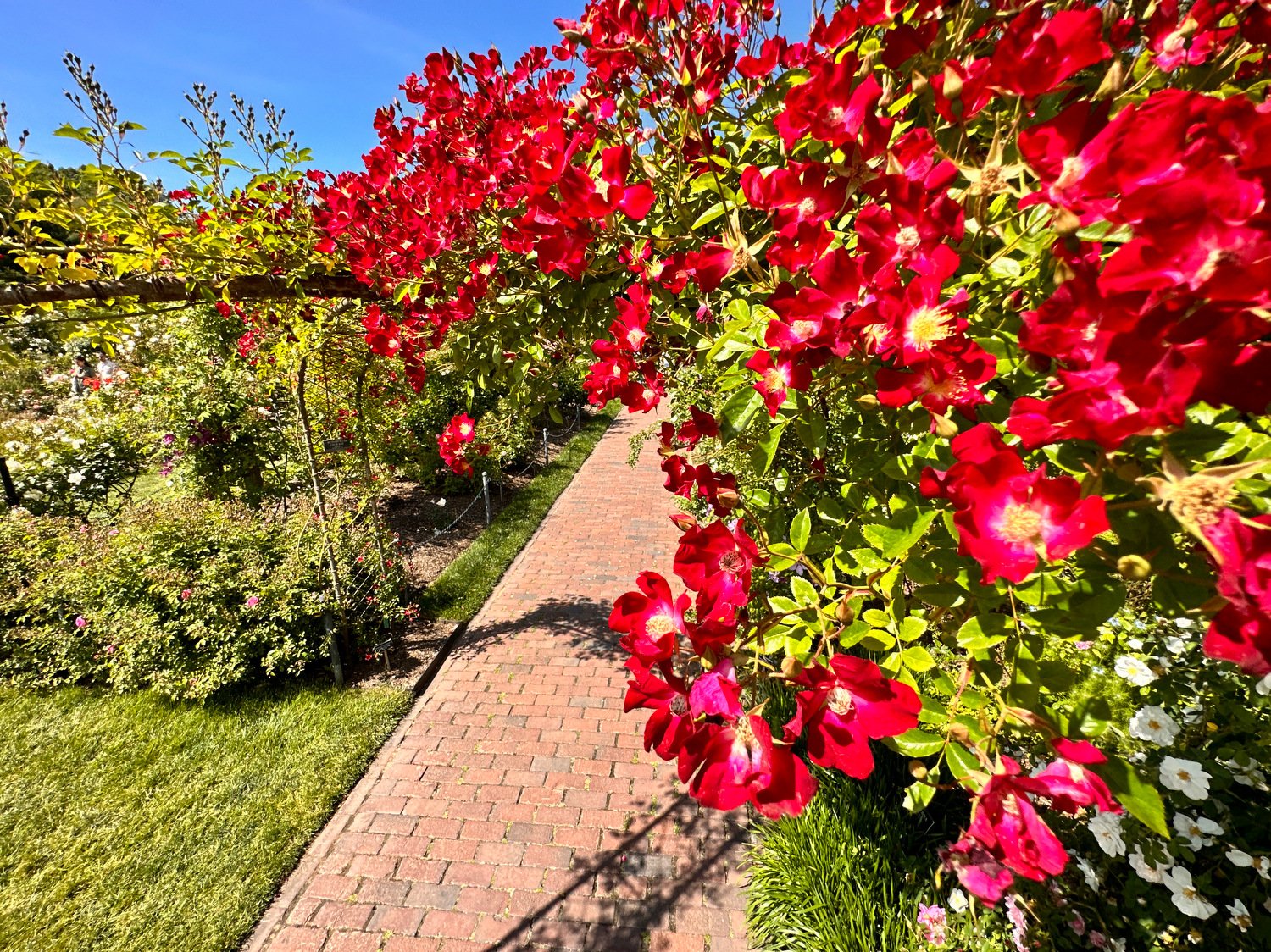
The Cranford Rose Garden
| Season | Highlights | Tips |
| 🌸 Spring Apr – May |
Cherry blossoms peak mid-April; roses peak early June | Book tickets well in advance; arrive before 10am on weekends |
| ☀️ Summer Jun – Aug |
Lily Pool, Water Garden, extended evening hours | Members get Wednesday evening access; weekdays are quieter |
| 🍂 Fall Sep – Nov |
Japanese maples, scarlet oaks, ginkgos turn color in October | Crowds thin out; one of the most peaceful times to visit |
| ❄️ Winter Dec – Feb |
Steinhardt Conservatory in full bloom; Lightscape holiday light event | Pay-what-you-wish on weekdays Dec–Feb; Lightscape runs late Nov through early Jan — check bbg.org for dates |
Are there places to eat at the Garden?
Yes, there are two restaurants, one fancy and one more casual, plus a coffee bar.
The Yellow Magnolia Café’s menu offers a range of meal choices from vegetable-centric small plates to heartier main dishes and plant-inspired desserts.
Reservations are recommended, and you can make them through Resy. You must have a ticket for the Garden to access the Café.
We ate at the Yellow Magnolia Canteen, on the terrace by the entrance to the Steinhardt Conservatory. It features pizzas, sandwiches, salads, snacks, and beverages. We had some delicious freshly squeezed lemonade and some decadent cookies. We justified the calories in the cookies by thinking about all the walking we just did around the Garden.
Coffee Bar - Serves a variety of espresso drinks and iced beverages along with sandwiches, salads, and soups.

Shopping at the Brooklyn Botanic Garden
The retail shop, now called Terrain at Brooklyn Botanic Garden, is well worth a browse.
It carries a range of plants, gifts, and garden items. The Florilegium Society's botanical artwork is also on sale here. Before you Google "Florilegium Society," as I did, it means people who draw plants.
Highlights of our visit
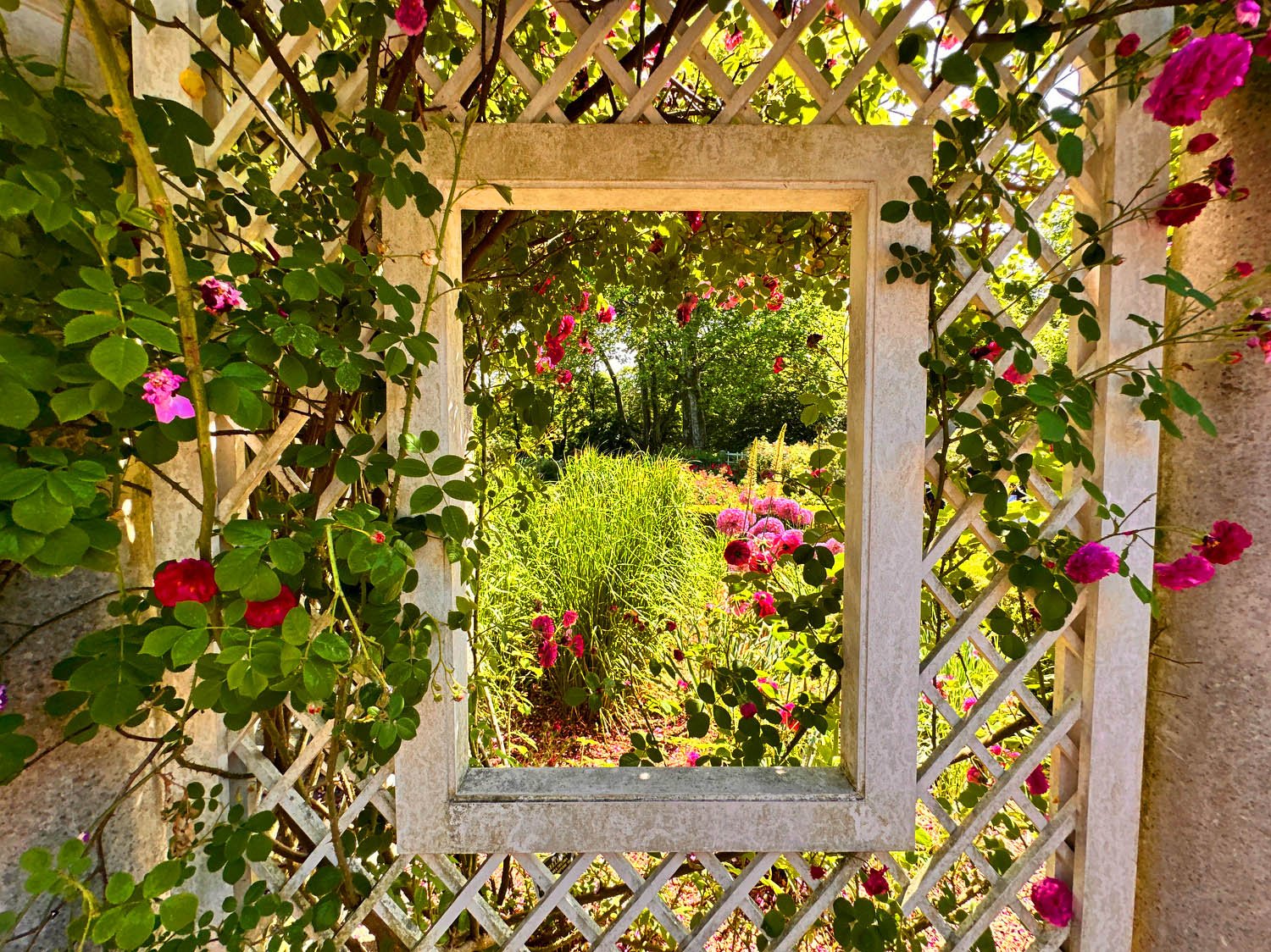
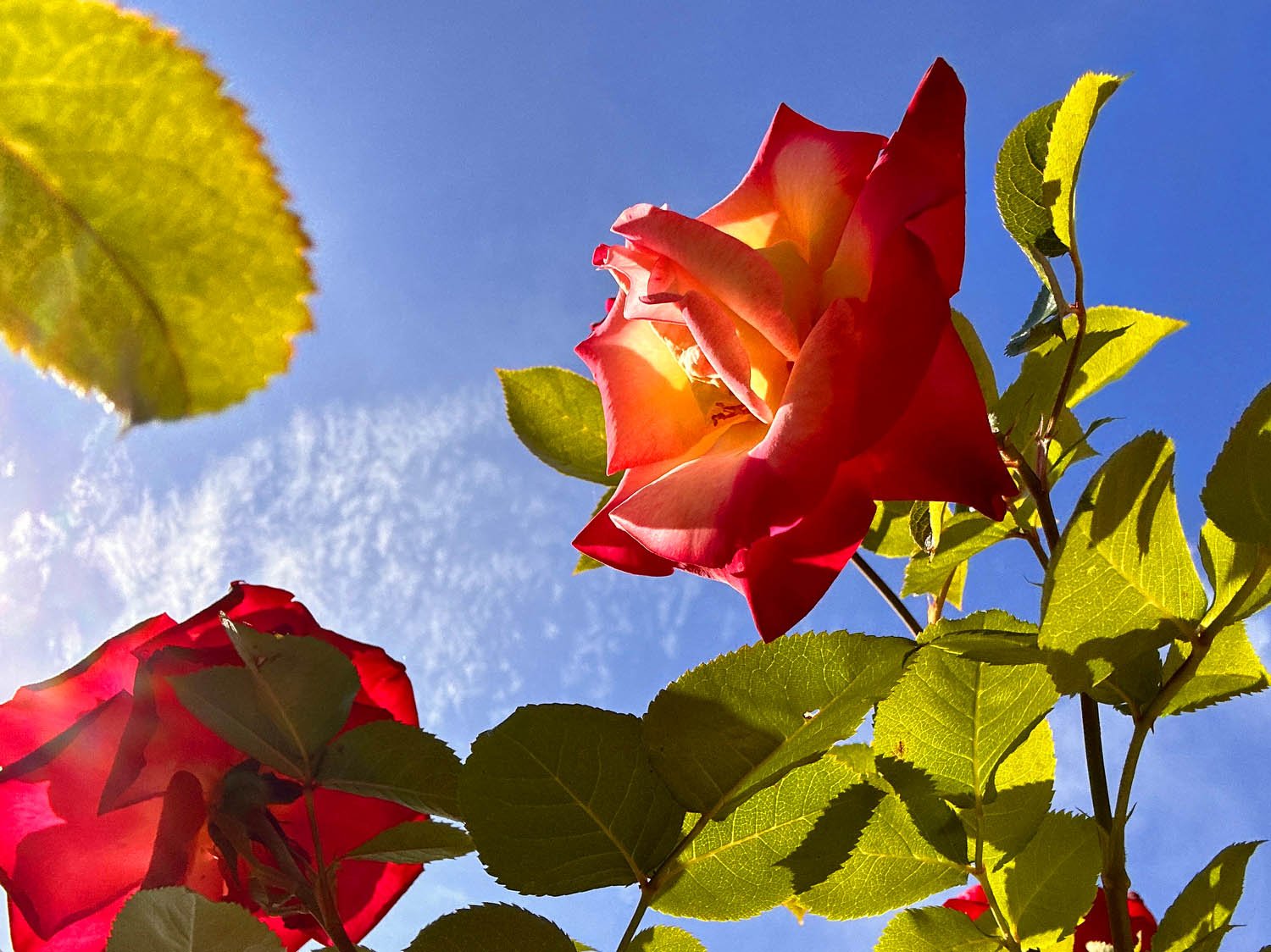
Cranford Rose Garden:
We recently visited in early June, so the Rose Garden was in full bloom. It was a beautiful Sunday so the garden was crowded, but the natural beauty overcame any inconveniences from the crowd.
The rose garden has been one of the Garden’s most popular attractions since it opened in 1928.

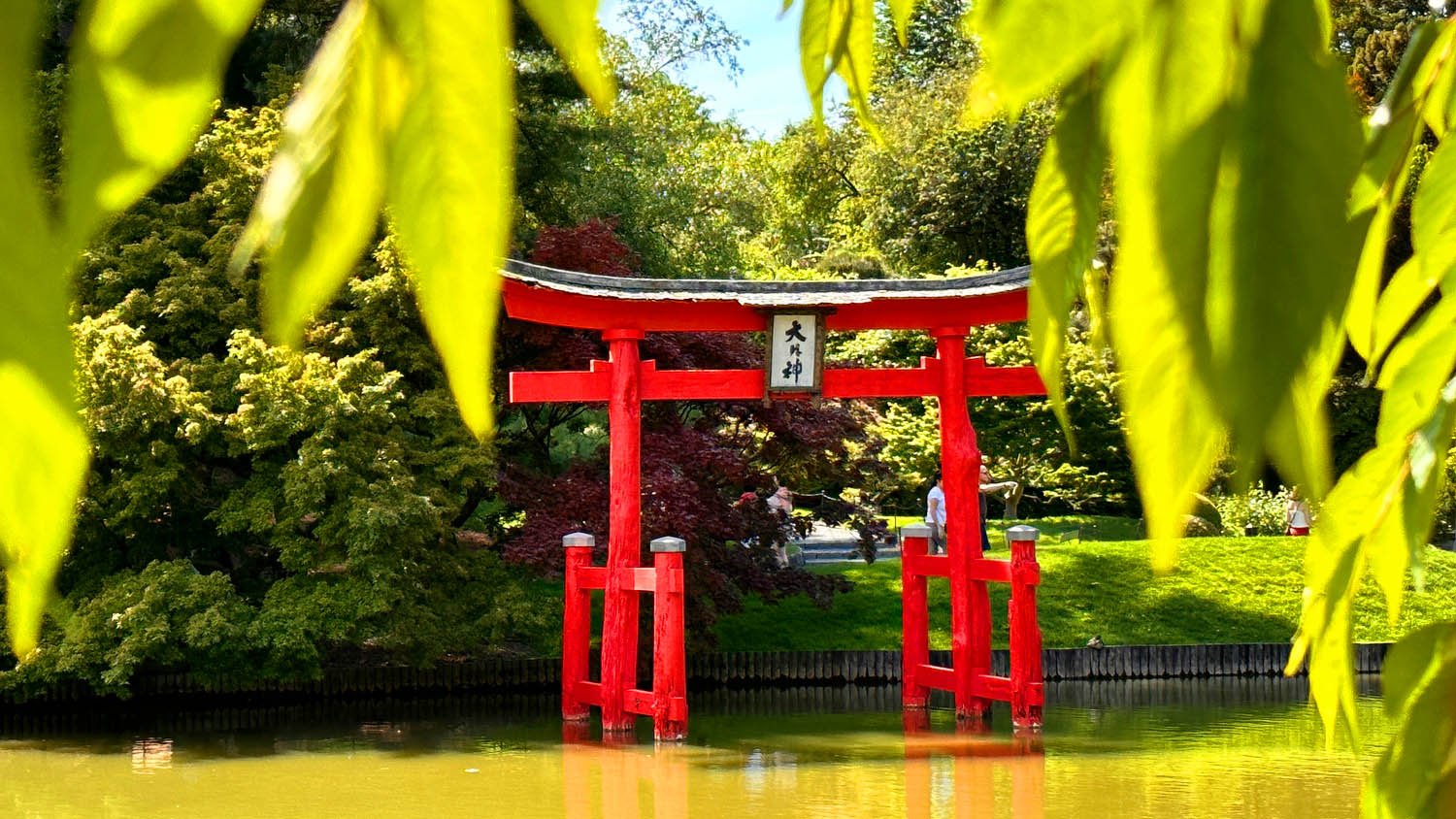
The Japanese Hill-and-Pond Garden
This might be the most peaceful 30 minutes you'll spend in New York City.
It opened in 1915 and was the first Japanese garden built inside a public botanic garden in the United States.
More than a century later, it still feels like a different world. The Shinto shrine sits at the edge of the pond, surrounded by koi fish, a wooden bridge, and a waterfall made from Manhattan schist. It was designed by landscape architect Takeo Shiota, who wanted to create "a garden more beautiful than all others in the world." On a quiet weekday morning, it comes close.
Lily Pool Terrace:
The Lily Pool Terrace features an amazing 100 varieties of hardy and tropical water lilies and lotuses. While it’s a great stop year-round, the Lilly pool really shines in July, August, and September.

Osborne Garden:
This one is closed for restoration work right now, along with the Eastern Parkway entrance. We came in that way on our visit, so the Osborne Garden was our first stop. The wisteria-draped pergolas are the striking part. The symmetrical layout is typical of formal Italian gardens, and it leads you toward the rose garden. Worth checking bbg.org before your visit to see whether it has reopened.
Shakespeare Garden :
After enjoying the Italian-style Osborne Garden, you can travel to the English cottage–style Shakespeare Garden with 80 flowers, shrubs, and herbs. Below are a few favorite sections.

Cherry Esplanade:
The double-flowering ‘Kanzan’ cherries typically bloom at the end of April. Since we visited in June, we missed the blooms, but the area was perfect for dozens of people to lie in the shade beneath the trees.
Along the eastern and western edges of Cherry Esplanade are the Liberty Oaks, planted in remembrance of those who lost their lives on September 11, 2001.

Steinhardt Conservatory:
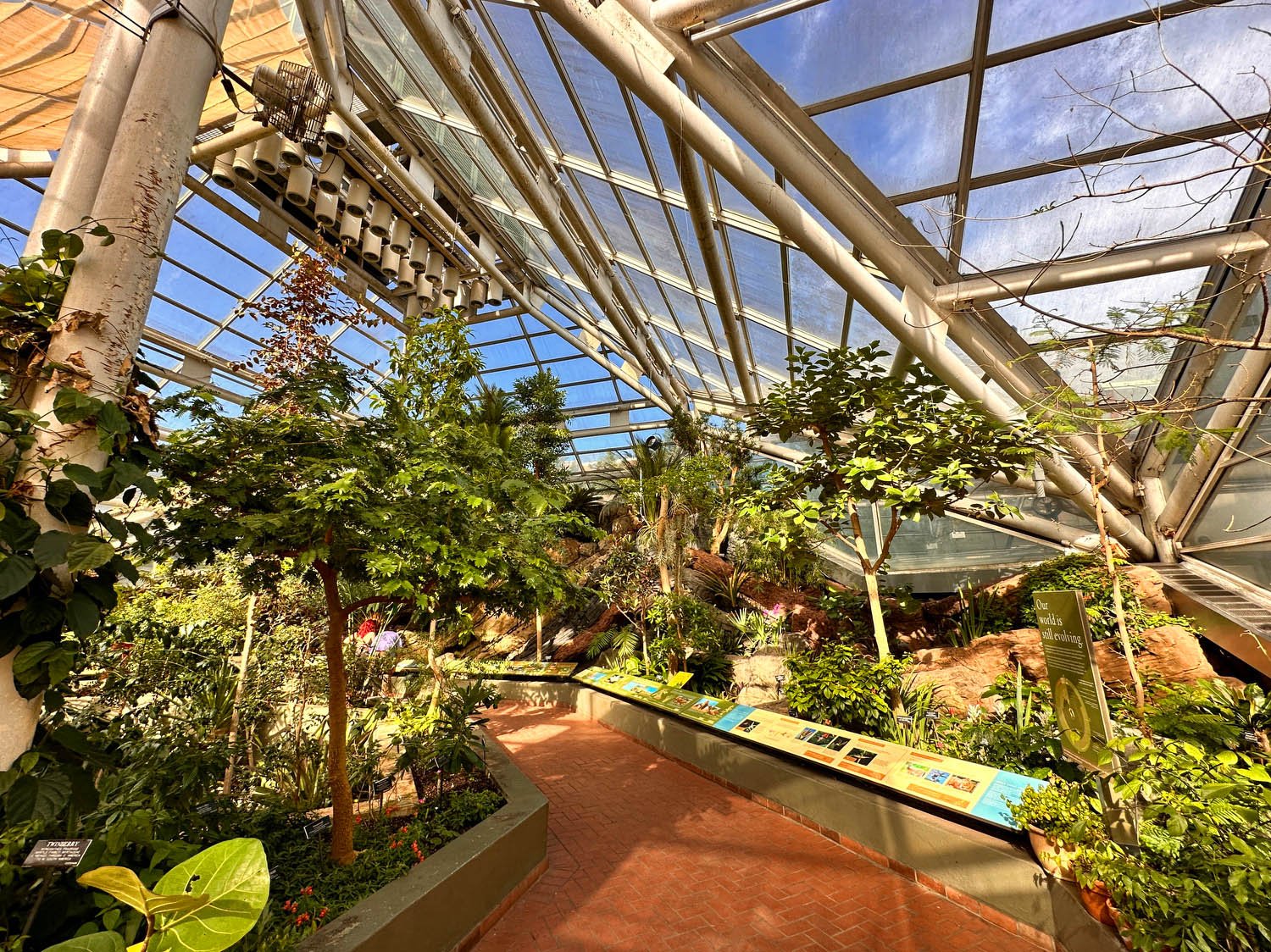
A huge glass-enclosed complex holding a wide variety of plants from different climates.
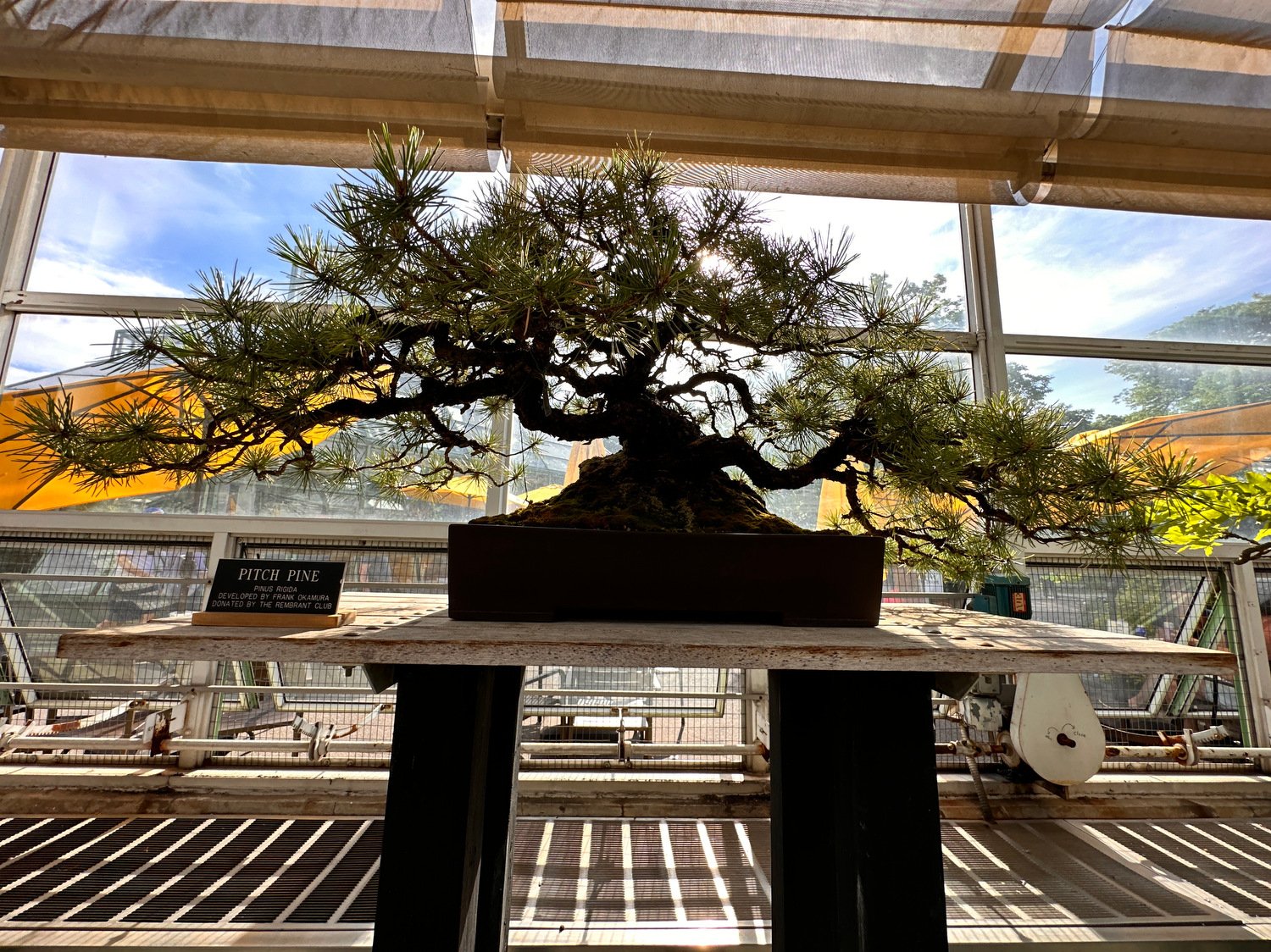
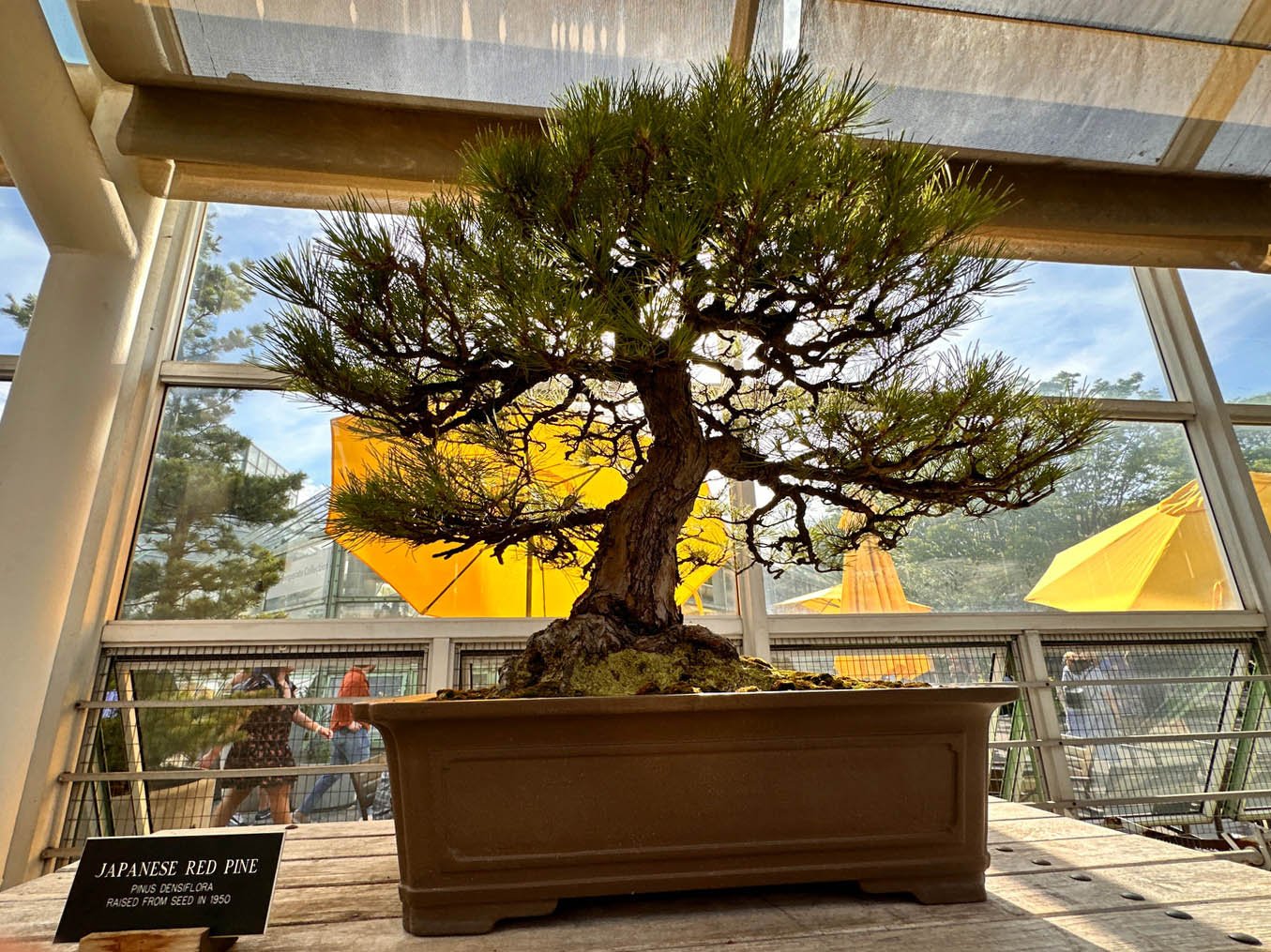
Bonsai Museum - Who doesn’t love Bonsai trees? The Steinhardt Conservatory houses a world-class bonsai collection that includes trees that are well over a century old. The collection is one of the largest outside Japan.
Desert Pavilion - A little bit of Arizona in the heart of Brooklyn. One side of the pavilion is devoted to plants from both North and South America while the other side features plants from Africa, Madagascar, the Canary Islands, and Australia.
Tropical Pavilion - This pavilion is 65 feet tall so you can imagine the displays are very striking. The lush vegetation features plants from the Amazon, African rainforest, and Tropical rainforests.
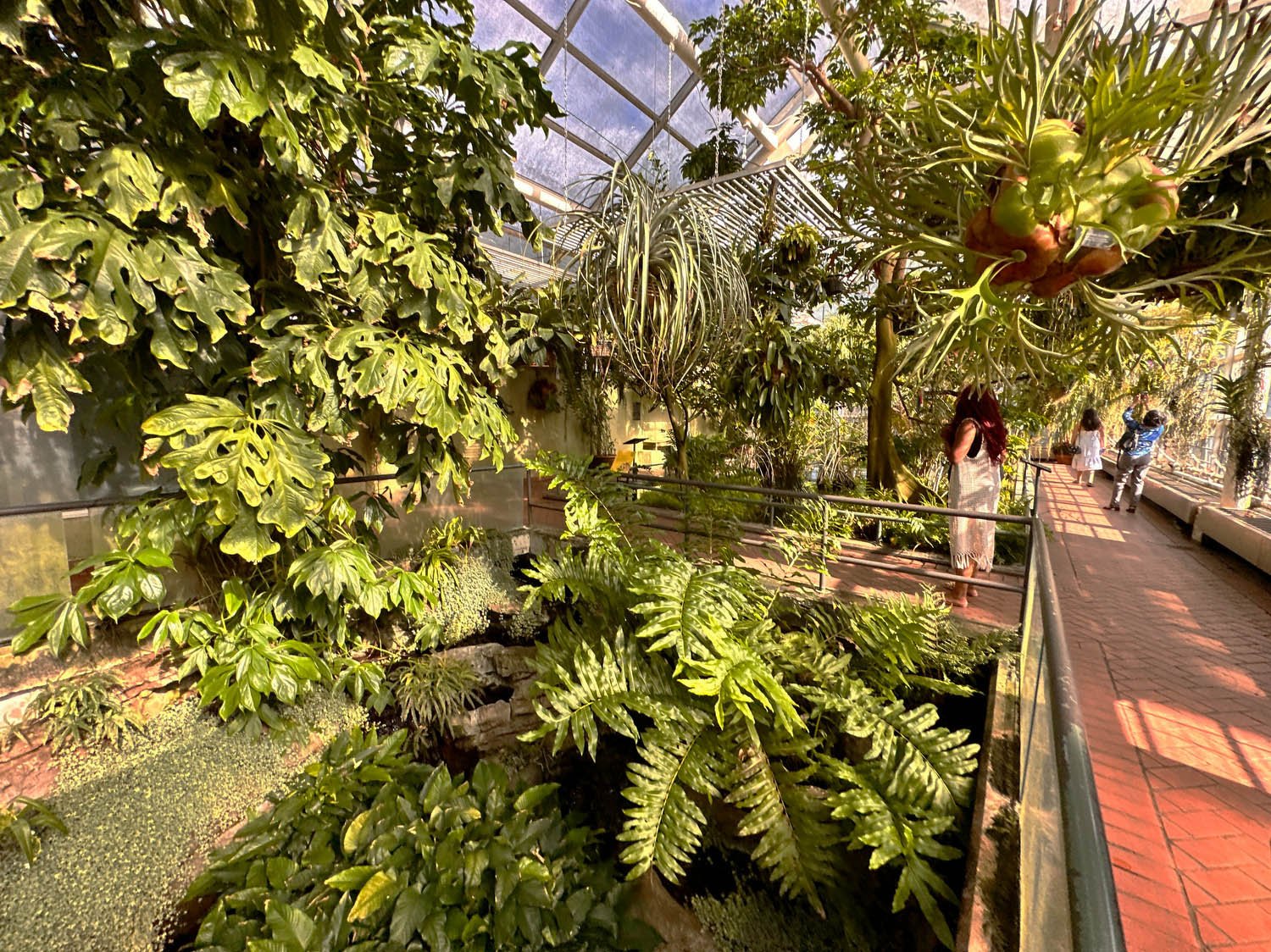
Aquatic House and Orchid Collection - Ferns, mosses, orchids, and waterfalls, what more could you want? The Garden’s collection of several thousand orchids is on display here.
Debbie and I had a wonderful afternoon here. If you're spending a day in Brooklyn, the Garden is an easy yes.
After our lovely visit, we walked to nearby Franklin Avenue for dinner. The bustling strip features a variety of restaurants, and we stopped at Chavela’s, a wonderful Mexican restaurant.
We then jumped on the subway for an easy ride back to Manhattan.
Brooklyn Botanic Garden FAQ
How much are tickets to the Brooklyn Botanic Garden?
Adult admission is about $22 at the gate and a bit more if you buy online. Seniors 65 and up pay around $16, and students with ID pay the same. Children under 12 are free. On weekdays from December through February the Garden runs pay-what-you-wish pricing.
What are the Brooklyn Botanic Garden hours?
Hours change with the season. The Garden generally opens at 10am, and some evenings in summer run later. Last entry is 30 minutes before closing. During spring bloom season it opens early at 8am. Check bbg.org for your date.
How long do you need at the Brooklyn Botanic Garden?
Debbie and I spent an afternoon and felt like we saw it properly. Two to three hours is a comfortable visit. Seeing all 52 acres would take most of a day, and the Garden publishes shorter suggested routes if you are tight on time.
When do the cherry blossoms bloom?
The cherry trees typically bloom through April and into early May. The double-flowering Kanzan cherries on Cherry Esplanade usually come at the end of April. Bloom timing shifts with the weather, so check the Garden's Plants in Bloom page before you go.
Is the Brooklyn Botanic Garden free?
Not generally. Children under 12 always get in free, and there is pay-what-you-wish pricing on winter weekdays. The Garden also releases a portion of each day's tickets free to community members.
Can you bring food into the Garden?
No. Outside food and drink are not allowed. There are two restaurants and a coffee bar inside. We ate at the Yellow Magnolia Canteen and it was good.
About the Authors

|
John and Debbie O'Boyle are the team behind The Empty Nest Explorers. John is a professional photographer whose work has been published by The New York Times, NBC News, and Getty Images. He is a member of the American Society of Media Photographers, has been part of a Pulitzer Prize-winning team, and has received two New York Emmy nominations. Debbie is a writer with 30+ years of professional photography experience, formerly with The Star-Ledger and NJ.com. Together, they create in-depth travel guides for couples and empty-nest travelers who want to make the most of every destination. |
Other New York City travel blog posts:


Debbie and I are in Manhattan most weeks, for work and to visit our son, and we still love showing people around.
Here are our honest picks for the best things to do, the ones worth your time, the few we would skip, and how to see the city without cramming your days.