
Debbie and I have visited Kew Gardens twice now, and both times we left wishing we had more hours in the day. There really is that much to see.
Kew is the world's largest collection of living plants and a UNESCO World Heritage Site. It sits just outside central London, a short ride on the District Line, and it feels like stepping into a completely different world. Victorian glasshouses, towering trees, a Japanese landscape, a treetop walkway, and over 300 acres to wander through.
Whether you want to spend a quiet afternoon among the flowers or make a full day of it, Kew is one of those places that earns its ticket price. Here's everything you need to plan your visit.

View of the Kew Garden Temperate House from the Treetop Walkway. All photos by John O’Boyle/The Empty Nest Explorers
| 🌿 Kew Gardens — Quick Facts | |
|---|---|
| 📍 Address | Kew, Richmond, London TW9 3AE |
| 🕙 Opening Hours |
March–April: Daily 10am–6pm (last entry 5pm) May–August: Daily 10am–8pm (last entry 7pm) September–October: Daily 10am–7pm (last entry 6pm) November–February: Daily 10am–4pm (last entry 3:30pm) Hours vary — always check kew.org before you go. |
| 🎟️ Tickets (Peak Season) Feb–Oct, booked online |
Adult: £24 (£27 at gate) Child (4–15): £6 (£8 at gate) Under 4: Free Young person / student (16–29): £10 Concessions (65+ / disability): £22 After 4pm (May–Sep): £10 💰 Best value |
| 🎟️ Tickets (Off-Peak) Nov–Jan, booked online |
Adult: £16 (£19 at gate) |
| 🚇 By Tube | District Line to Kew Gardens station — 10-minute walk to the main gate |
| 🚌 By Bus | Route 65 (Lion, Elizabeth & Victoria Gates) · Routes 237/267 (Kew Bridge station) |
| 🚗 By Car | Very limited parking on site — public transport is strongly recommended |
| ⏱️ How Long to Allow | Half day minimum — a full day to do it justice |
| 📞 Phone | 020 8332 5655 |
| 🌐 Website | kew.org |
How to get to London’s Kew Gardens
By tube
I would highly recommend taking the underground from London to Kew Gardens.
The District Line’s Kew Gardens station is just a ten-minute walk through a lovely neighborhood from the garden gate.
Right outside the Kew Gardens tube station is a small town with many restaurants, including French, Australian, coffee, and a British pub right next to the train station that gets very lively in the late afternoon and evening.
On our most recent visit, we chose to eat at an outdoor table Ma Cuisine Kew, just steps from the train station, but there are also some great options inside Kew Gardens (see below)
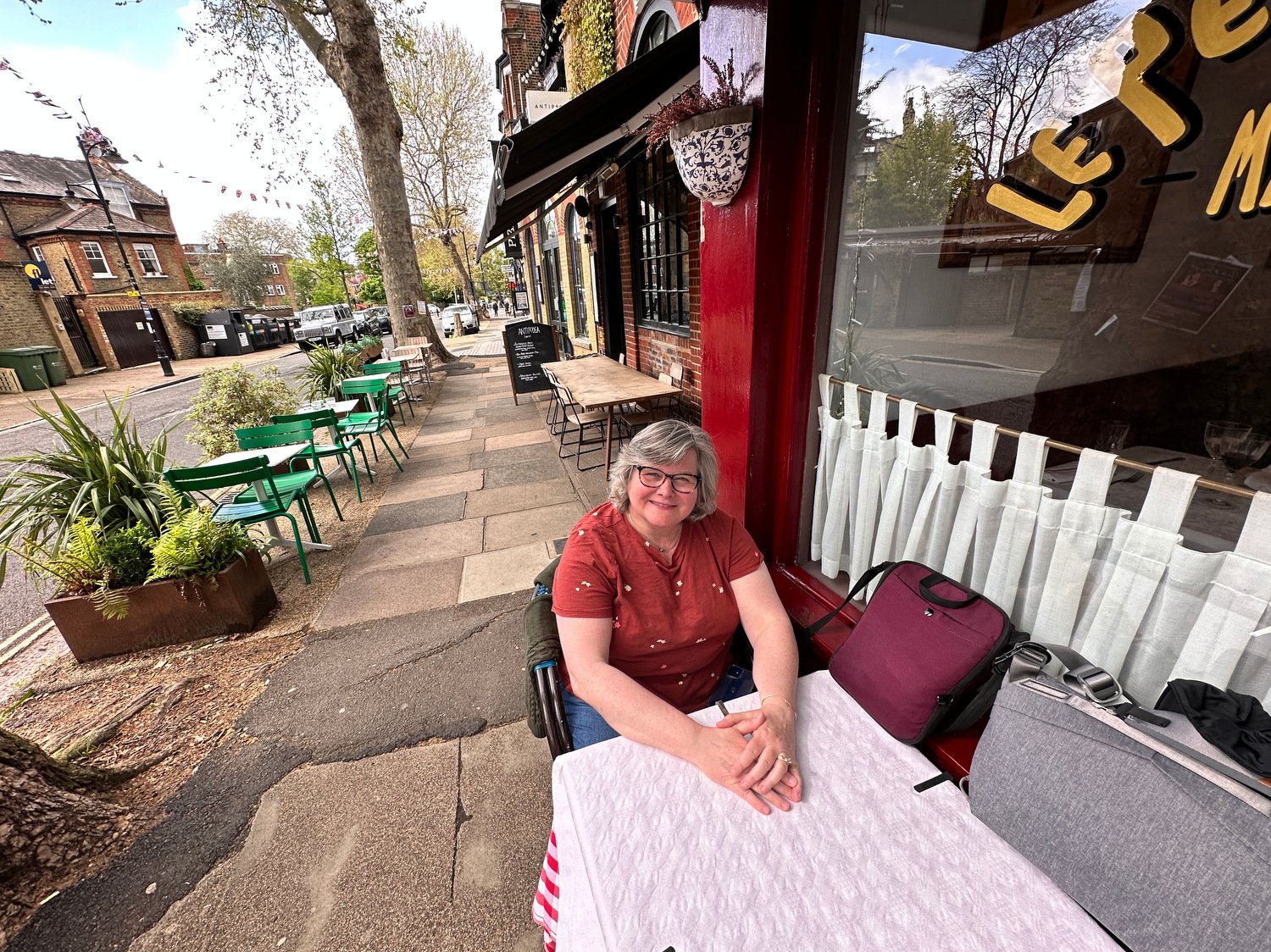
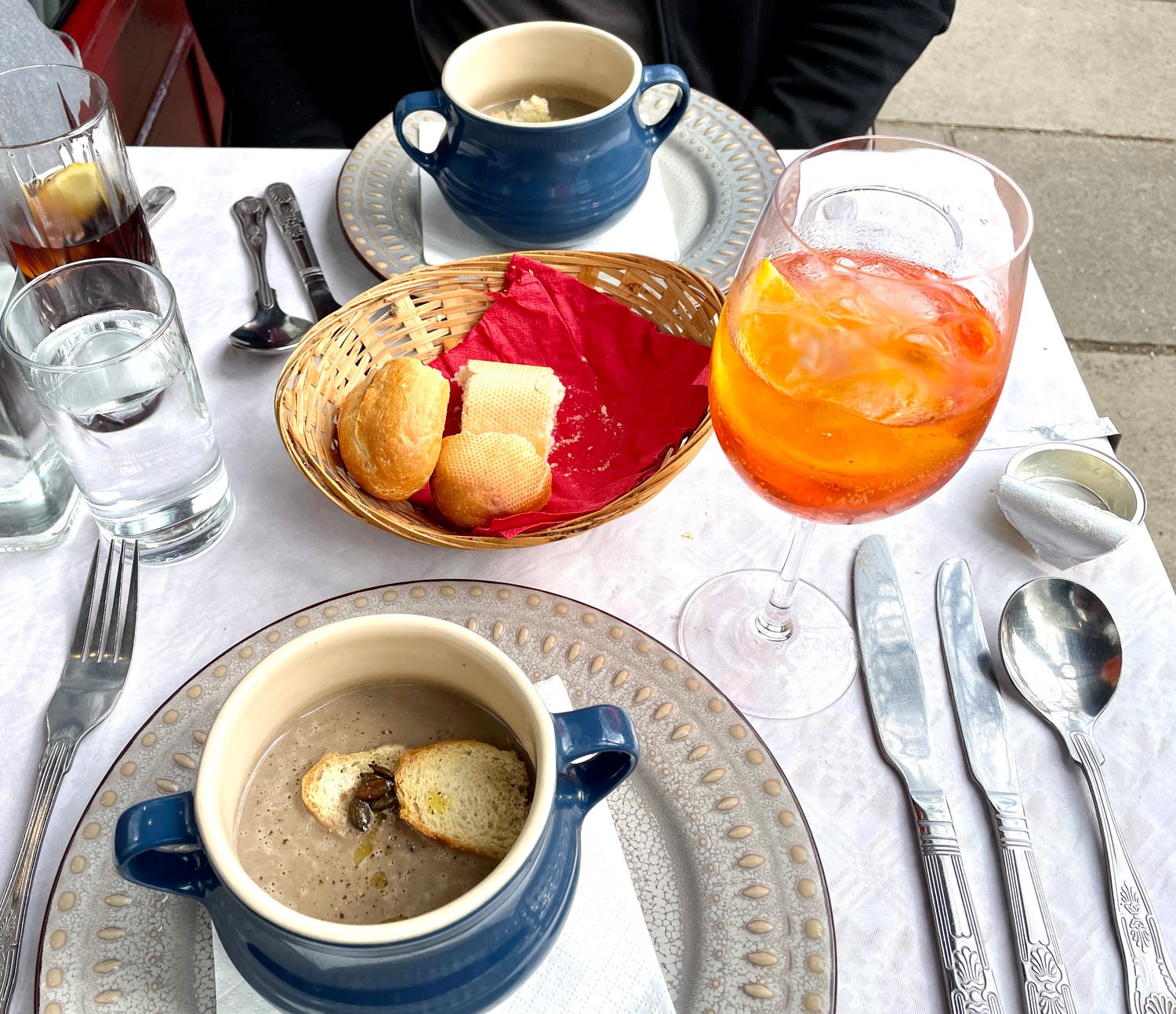
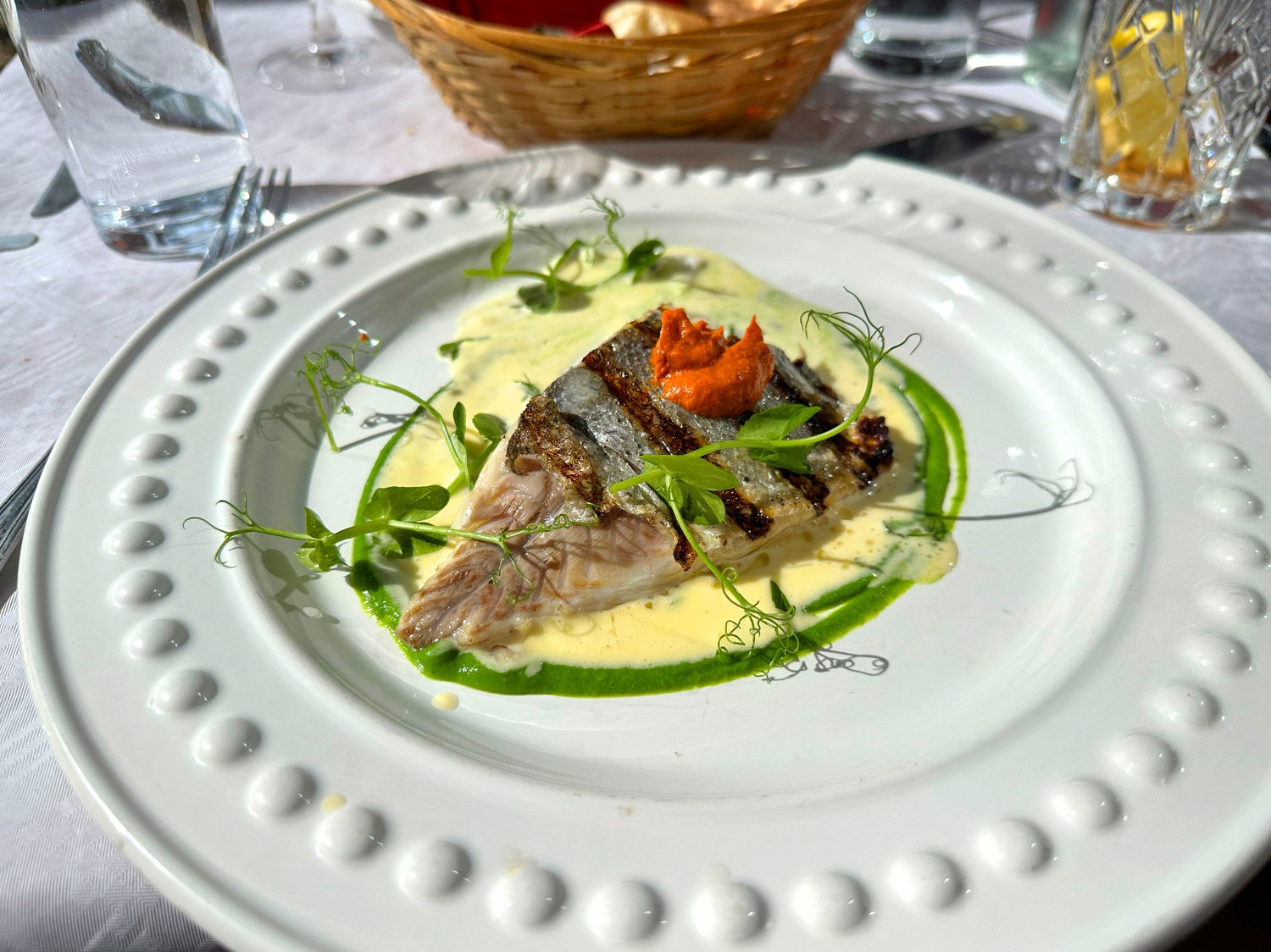

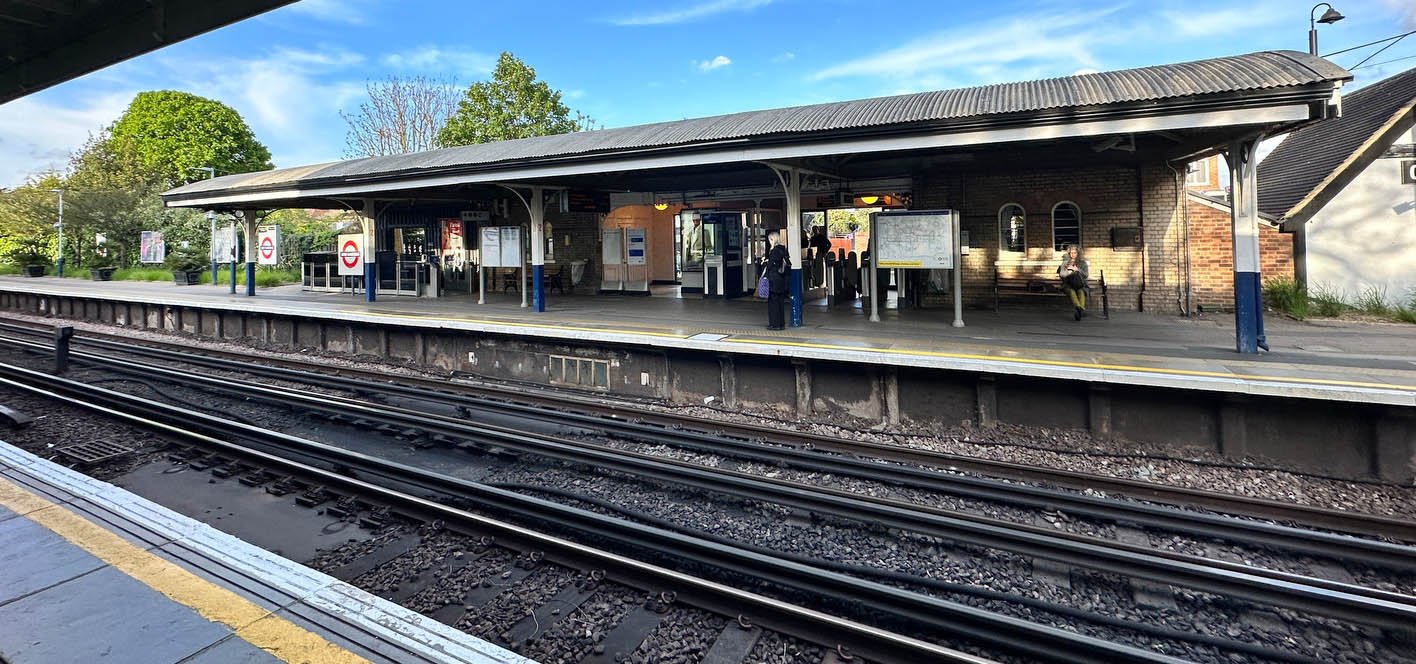
Photos of lunch at Ma Cuisine Kew and a view of the Kew Gardens Underground station.
By bus
Route 65 stops close to Lion Gate, Elizabeth Gate and Victoria Gate.
Route 110 stops near Kew Gardens station and Elizabeth Gate.
Routes 237 and 267 stop at Kew Bridge station.
By car
Driving to Kew Gardens is really the last option. Parking at Kew is extremely limited with spaces in the parking lot available on a first come, first served basis.
Don’t be afraid to use public transport in London - it’s very good! If you are unfamiliar with it, read up with our complete post: How to Use London’s Public Transportation: A Guide for Visitors
Kew Gardens - when is it open and how to buy tickets
Buying your ticket online in advance saves you money and means you skip the queue at the gate. You can book at kew.org.
The Gardens are open daily at 10 am throughout the year. Closing times change with the seasons, so always check the website before you go
Adult ticket prices:
During peak season (February to October) an adult ticket is £24 online or £27 at the gate. During off-peak season (November to January) prices drop to £16 online or £19 at the gate.
Children aged 3 and under get in free. Children aged 4 to 15 are £6 online during peak season. Young people and students aged 16 to 29 pay £10. Prices for over-65s and visitors with a disability are £22 online during peak season.
Tip: From May through September, you can get in for just £10 if you arrive after 4 pm. A lot of the glasshouses will have closed by then, but there is still plenty to explore and it is a lovely time to be in the gardens.
Discounted tickets are also available for local residents in the boroughs of Richmond, Kingston, Hammersmith, Fulham, Wandsworth and Hounslow.

We visited during bluebell season. Kew Gardens has a huge bluebell display and it is very popular.
Best Time to Visit Kew Gardens
Kew is worth visiting any time of year. Each season offers something different, and honestly, there is no bad time to go.
Spring (March to May)is probably when Kew is at its most spectacular. From mid-March through mid-April, the gardens light up with magnolias, cherry blossoms, tulips, bluebells and daffodils all at once.
The cherry blossoms are particularly good along Cherry Walk near the Temperate House and through the Japanese Landscape. In February and March, the Princess of Wales Conservatory hosts the annual Orchid Festival. It is free with your ticket, but you need to book a timed slot in advance.
Summer (June to August)is the busiest time. The gardens are lush, and the opening hours are at their longest.
The Great Broad Walk Borders are a highlight. 320 metres of beds packed with 30,000 plants, including lavender, lilies and coneflowers.
Autumn (September to October). The crowds thin out, and the tree colours are stunning. Ginkgo Lane turns a deep gold, and the maples outside the Shirley Sherwood Gallery go fiery red.
The view from the Treetop Walkway straight down into the autumn canopy is hard to beat.
Winter (November to February)is quieter and more peaceful. The glasshouses really earn their place on a cold day. Then from mid-November through early January, the garden transforms for Christmas at Kew. It runs as a separate ticketed evening event and sells out fast. Please book as early as you can.
If you enjoy green spaces, our Guide to London's Parks is worth a read too.
What to see during a Kew Gardens visit
During our most recent visit to Kew, we spent too much time enjoying our lunch at Ma Cuisine Kew so we arrived at the garden later than planned.
This meant that we had to prioritize which attractions we wanted to see. There were some new features, like the Treetop Walkway, since our last visit. So we headed there first.
You can pick up a map at any entrance or use the online map at kew.org. Kew also runs free guided walking tours at least twice a day, subject to availability. They are a great way to get your bearings and pick up tips from the guides. Check at the welcome desk when you arrive.
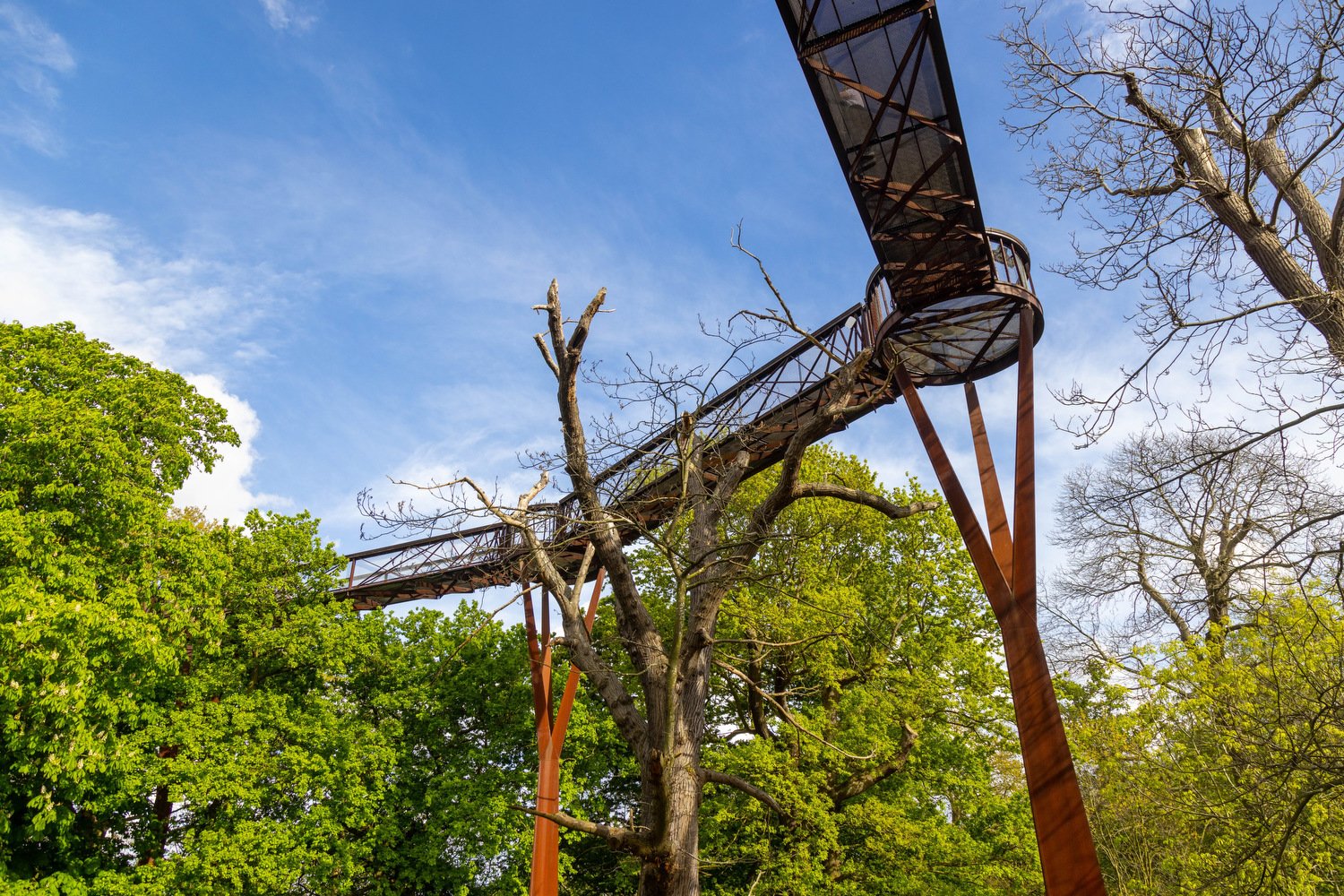
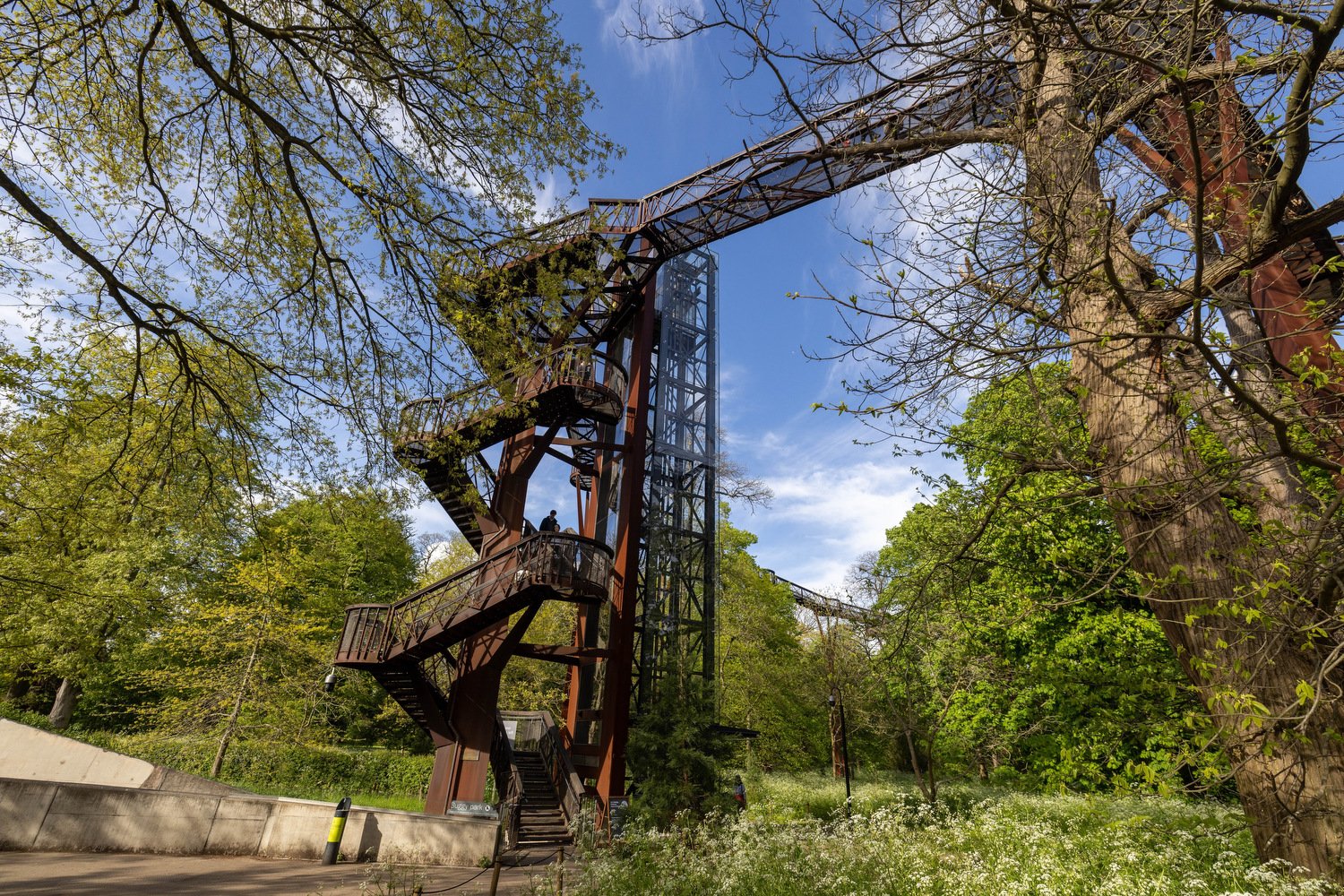
Treetop Walkway
From 59 feet above the ground, you get a chance to experience the birds and insects that inhabit the treetops. Plus the view is great too.
Some of the trees that inhabit the area are sweet chestnut, beech, horse chestnut, and various oak species.
The walkway is made of 400 tons of weathered steel. The walkway’s rusted columns really blend in with the environment. It was designed by Marks Barfield Architects, the same firm at designed the London Eye.
You can reach the top via either stairs or an elevator.
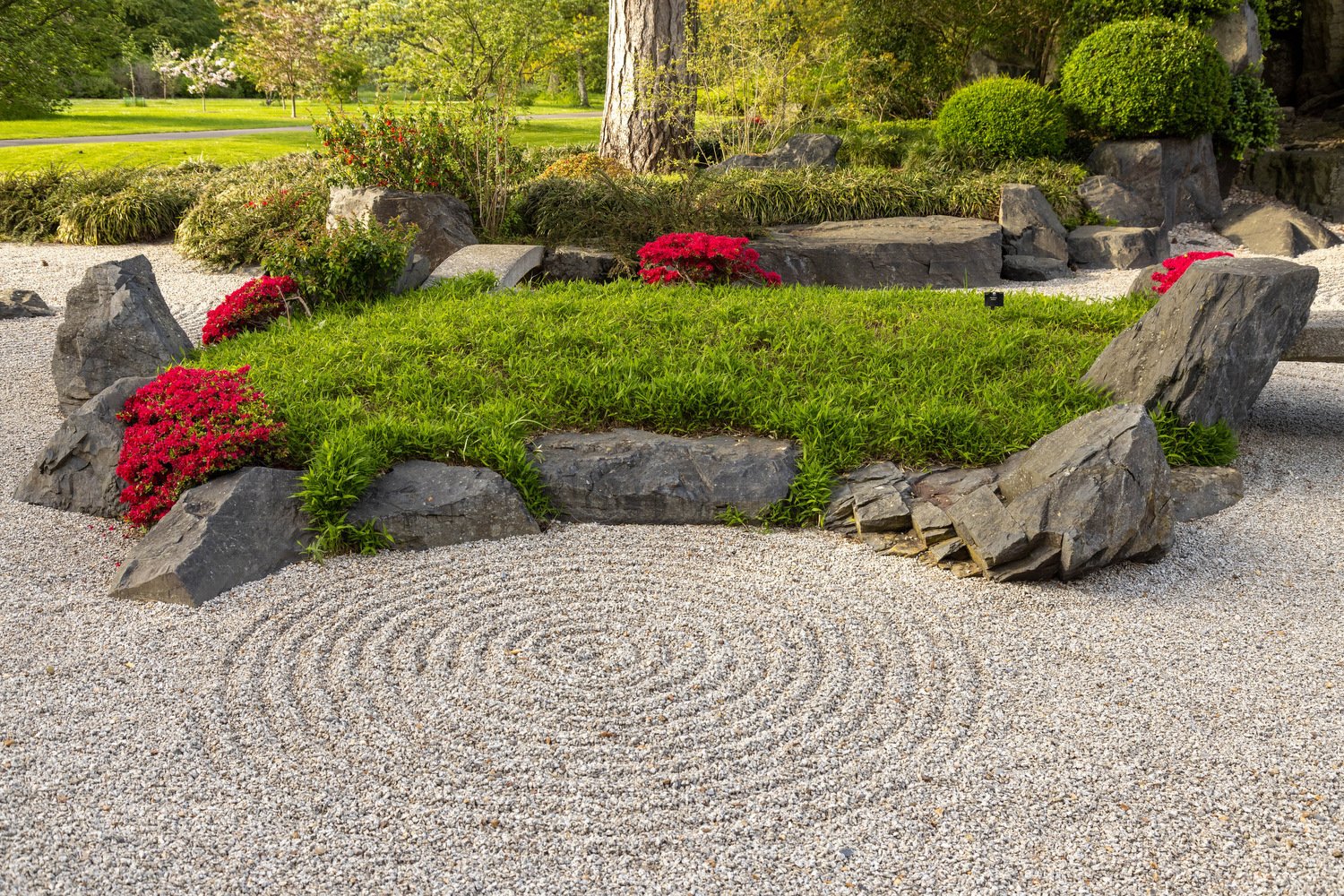
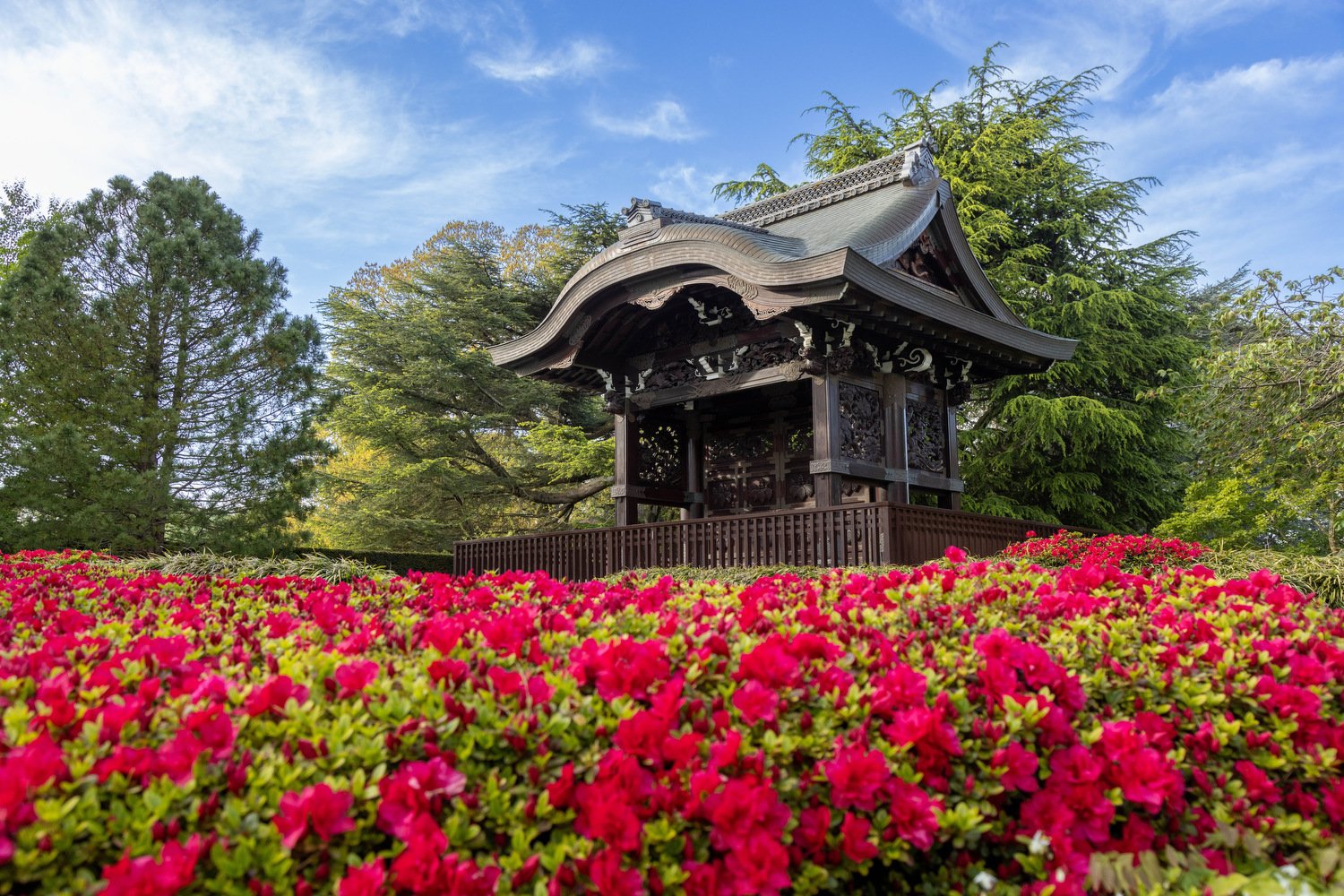
Japanese Landscape
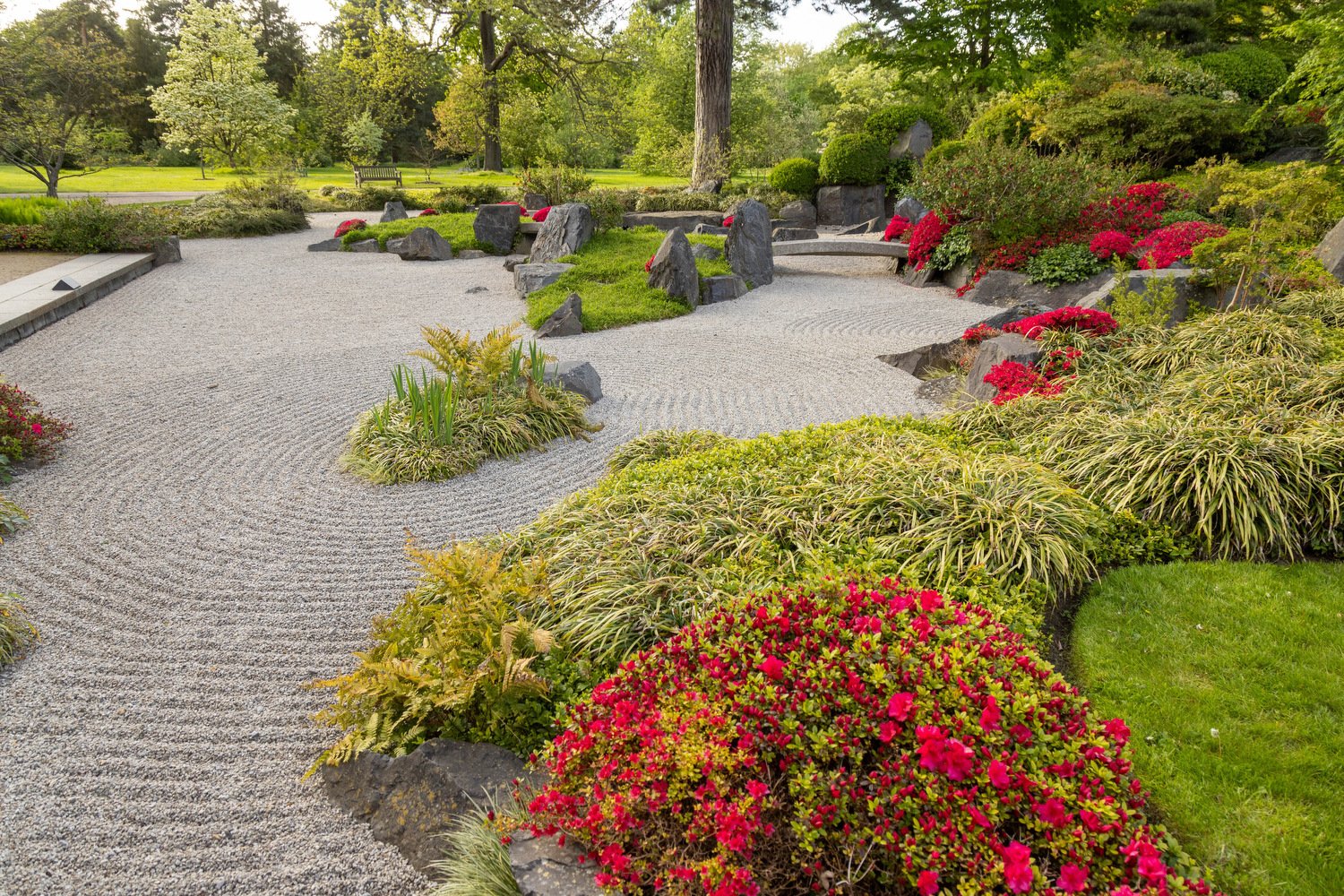
One common theme with Japanese gardens is the idea of seasonality. Plants and trees are selected so that no matter what season you visit, the garden will still be beautiful.
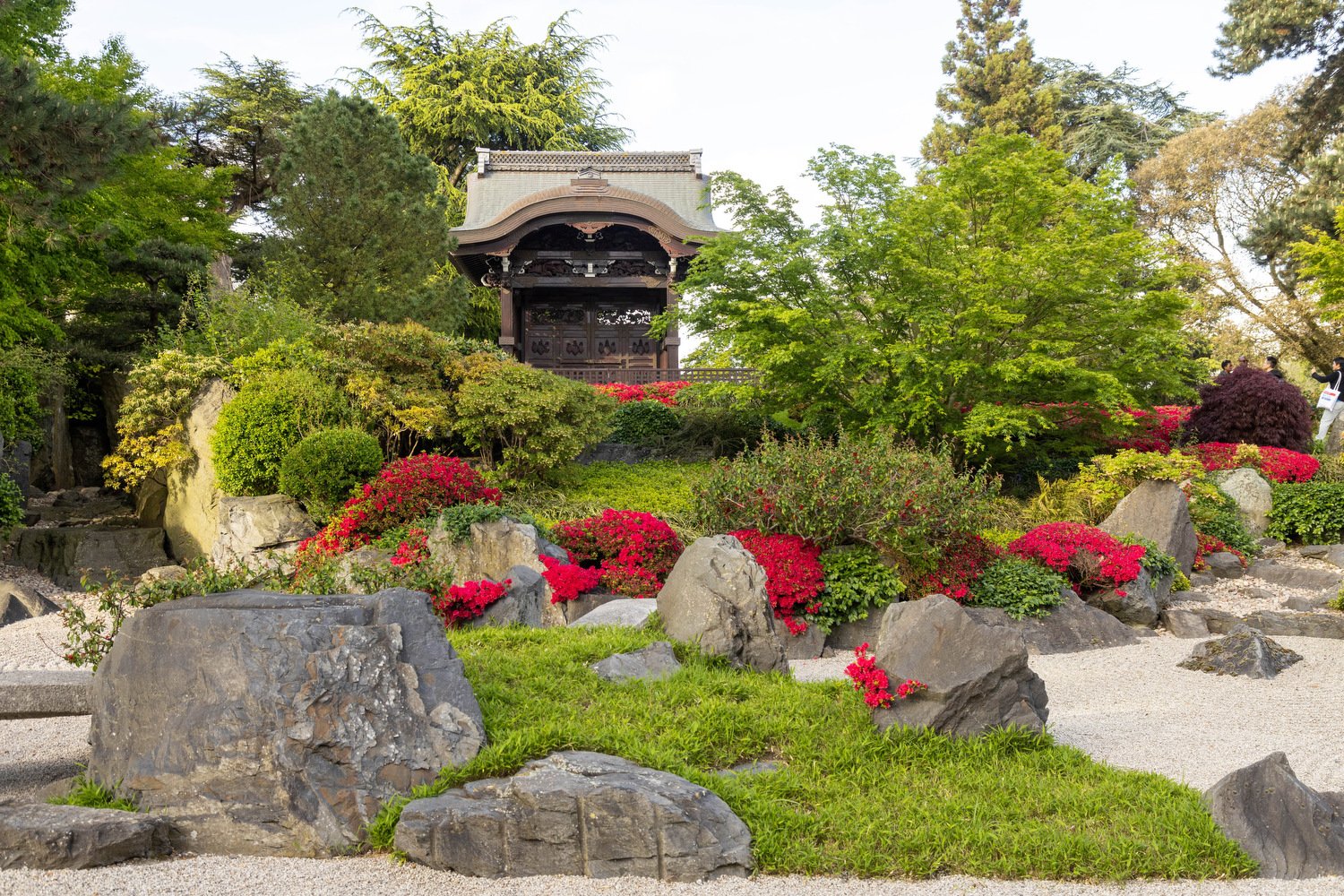
The finely manicured Japanese Landscape unites three gardens: a Garden of Peace, a Garden of Harmony, and a Garden of Activity.
The Peace Garden is evocative of a traditional Japanese tea garden
In the Garden of Activity, a slope symbolizes elements of the natural world like waterfalls, mountains and the sea, while raked gravel and large rocks represent the movement of water flowing and tumbling.
In the Garden of Harmony, Japan’s mountain regions are represented by rock outcrops and shrubs.
The large structure, the Chokushi-Mon, is a replica of the Karamon Gate at the Nishi Honganji temple in Kyoto.
Fun note - Her Imperial Highness Princess Sayako visited in 1996 to commemorate the opening of the Japanese Landscape.Twenty years earlier Imperial Highnesses Prince Akihito and Princess Michiko had planted a tree that is now thriving in the Japanese Landscape.
Bamboo Garden and Minka House
Bamboo is the fastest-growing woody plant in the world, and it creates a wonderfully dense landscape. This garden contains 130 species from China, Japan, and the Himalayas.
At the far end, you will find the Minka House, a replica of a traditional Japanese farmhouse. It is currently closed for renovation. Check the planned closures page on kew.org before your visit, as reopening dates can change.
Davies Alpine House
The Davies Alpine House was designed to recreate the dry, cool, windy conditions alpine plants need to thrive. The unusual-looking building does this without using energy-intensive air conditioning or wind pumps.
Built with two back-to-back arches, the structure draws warm air out of the building.
Alpine plants are very interesting. They are able to grow above the altitude at which trees can survive.
Palm House
If Davies Alpine House is an example of modern design, the Palm House is the complete opposite having opened in 1848. The Palm House was the first greenhouse to be built on this massive scale. The glass building houses a remarkable indoor rainforest and tropical plants from some of the most threatened environments in the world.
There are 253 steps leading to the observation area atop the 163-foot-tall structure. From there you can see wonderful views across London.

The Great Pagoda at Kew Gardens
The Great Pagoda
The Great Pagoda was built in 1761 by Sir William Chambers as a present for Princess Augusta, the founder of the gardens.
It is one of several Chinese buildings designed for Kew Gardens by Chambers, who had spent time traveling in East Asia and studying the area’s architecture.
The building was closed for repairs in 2006 and reopened in 2018 following a major restoration

The exterior of the Temperate House
Temperate House
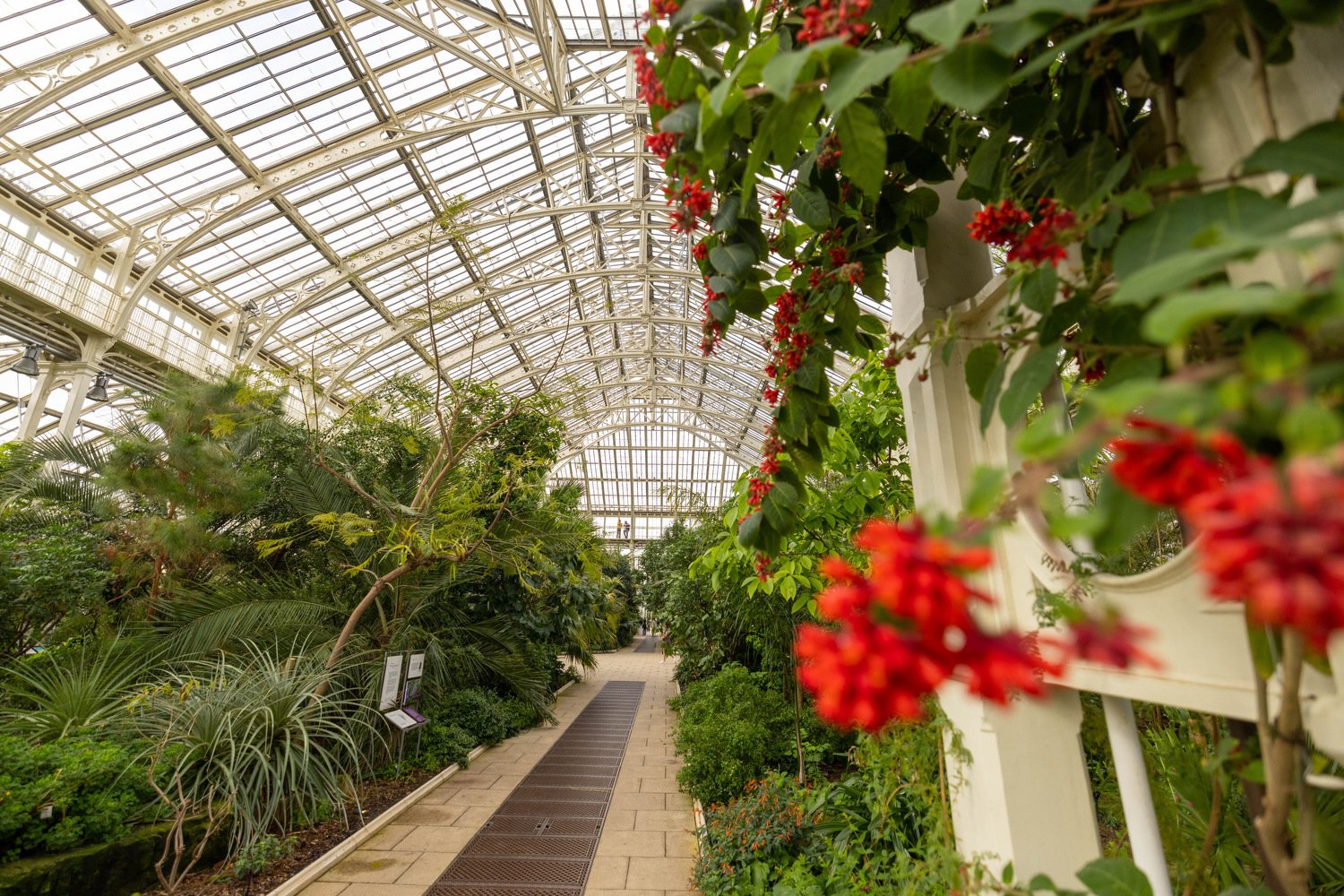
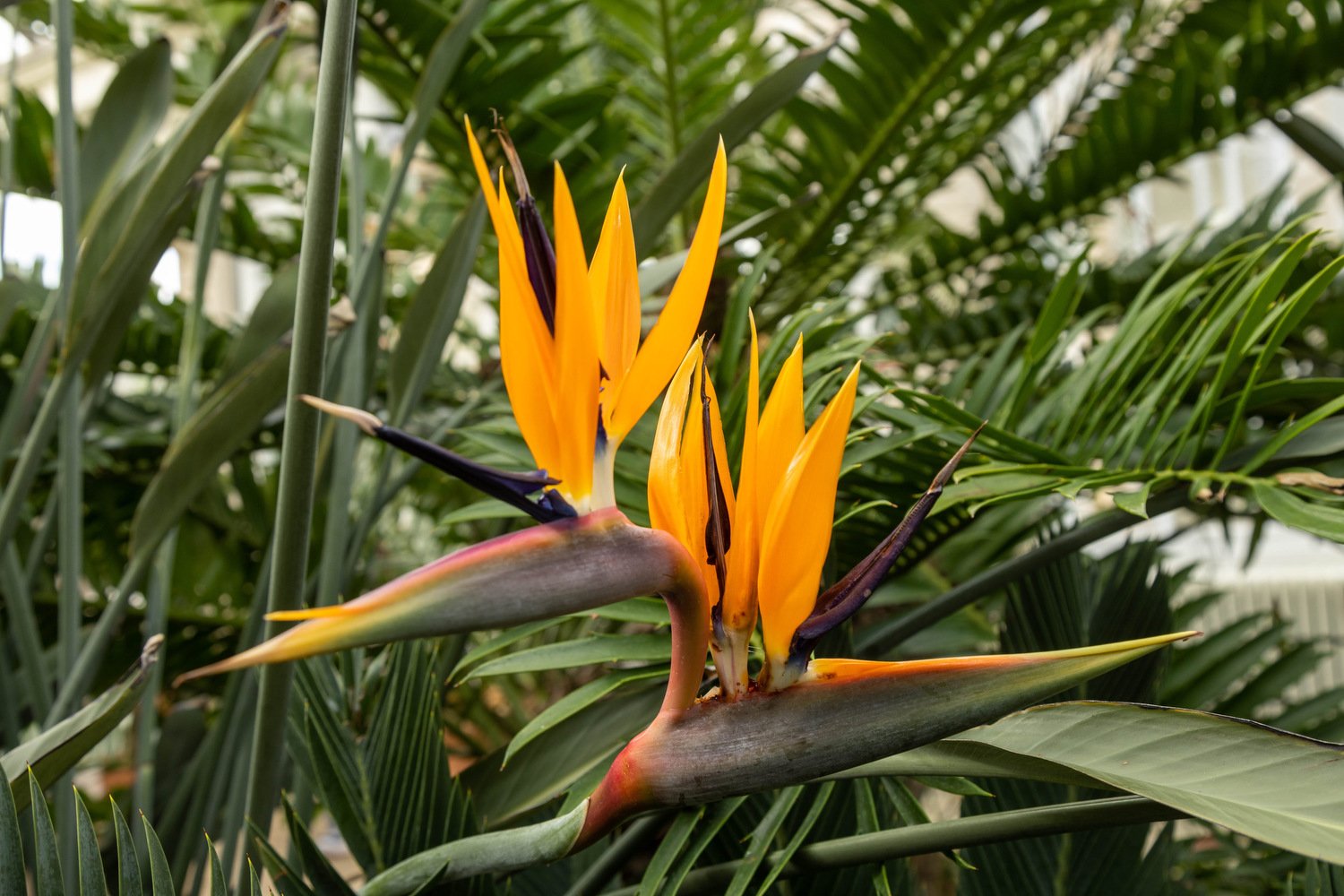
Temperate House contains rare and threatened plants in the world’s largest Victorian glasshouse. It is home to 1,500 species of plants from Africa, Australia, New Zealand, and Asia.
The Temperate House, which originally opened in 1863, reopened in 2018 after a five-year renovation and now contains 10,000 individual plants.
Kew Palace and the Royal Historic Sites
Tucked away in the northern part of the gardens, Kew Palace is easy to miss if you are not looking for it. It is well worth seeking out.
Built in 1631, it served as the summer home of King George III in the 18th century. Inside, the rooms tell the story of George III's mental illness and the family members who lived and died there. The Royal Kitchens next door are preserved exactly as they were in 1818. Entry is included with your garden ticket.
Nearby is Queen Charlotte's Cottage, tucked into a bluebell wood at the far end of the gardens. It is open on weekends and bank holidays only.
Kew Palace, the Royal Kitchens and Queen Charlotte's Cottage reopen on March 28, 2026, after their winter closure. They are open through to late September. The Great Pagoda sits close by and requires a separate ticket, which you can book through the Kew website.
The Hive
This is one of those things that's genuinely hard to describe until you're standing inside it.
The Hive was created by UK artist Wolfgang Buttress as a tribute to Britain's honeybees. It's built from 170,000 aluminium parts and fitted with 1,000 LED lights, and those lights respond to the real-time activity of a live bee colony kept elsewhere in the gardens. The busier the bees are, the more intense the light and sound become.
You walk to it through a wildflower meadow and enter from underneath, looking up through a central glass opening at the sky above. A musical score runs throughout, blending strings and piano with actual bee recordings, all driven by a live feed of hive activity. It's calming and strange at the same time.
It originally won a gold medal as the UK Pavilion at the 2015 Milan Expo before being brought back and rebuilt at Kew. Entry is included with your garden ticket.
Princess of Wales Conservatory
This is one of the most interesting buildings in the whole garden.
Princess Diana opened it in 1987, but it's named after Princess Augusta, who actually founded Kew Gardens back in 1759. Inside, ten separate climate zones take you from cool deserts to steamy tropical rainforests, all controlled by computer.
The carnivorous plant section alone is worth the visit. Venus flytraps can snap shut on an insect in under half a second. In the wet tropical zone, giant waterlilies grow from seed every year and can reach nearly three metres across. Keep an eye out for the Chinese water dragons too. They live inside the conservatory and help the team by eating cockroaches.
There's also a time capsule buried in the foundations by Sir David Attenborough in 1985, filled with seeds of endangered plants and food crops. It won't be opened until 2085.
Eating and dining at Kew Gardens
One wonderful way to enjoy the beauty of Kew Gardens is to picnic in one of its many open areas.
But if you prefer to sit down and be served your food there are numerous options.
Family Kitchen & Shop
This is a food court-style option with indoor seating available. Options include stone-baked pizza, stuffed potatoes, salads, sandwiches, and, of course, sausage and mash.
Orangery
Orangery is a good spot for lunch or grabbing a coffee. Offerings include roast chicken; leek, mushroom, and sweet potato pie; quiche, and sausage roll. There is both indoor and outdoor seating available.
Pavilion Bar and Grill
This restaurant features a more substantial menu that includes burgers, Mediterranean-inspired dishes, grilled trout, lemon & garlic butter. Multiple wine options are on the menu. Indoor seating and an outdoor terrace are available.
The Botanical Brasserie
This is a beautiful, fancy restaurant with a pricey menu. Booking ahead of time is suggested on their website.
The all-day formal dining features modern British cuisine, including lemon, asparagus & wild mushroom risotto, and slow roast breast of lamb, pea & mint puree.
The Brasserie emphasizes sustainability and local products. They even have a map on the menu listing all their food suppliers.
You can catch up on the current menus for each restaurant on Kew Gardens’ website.
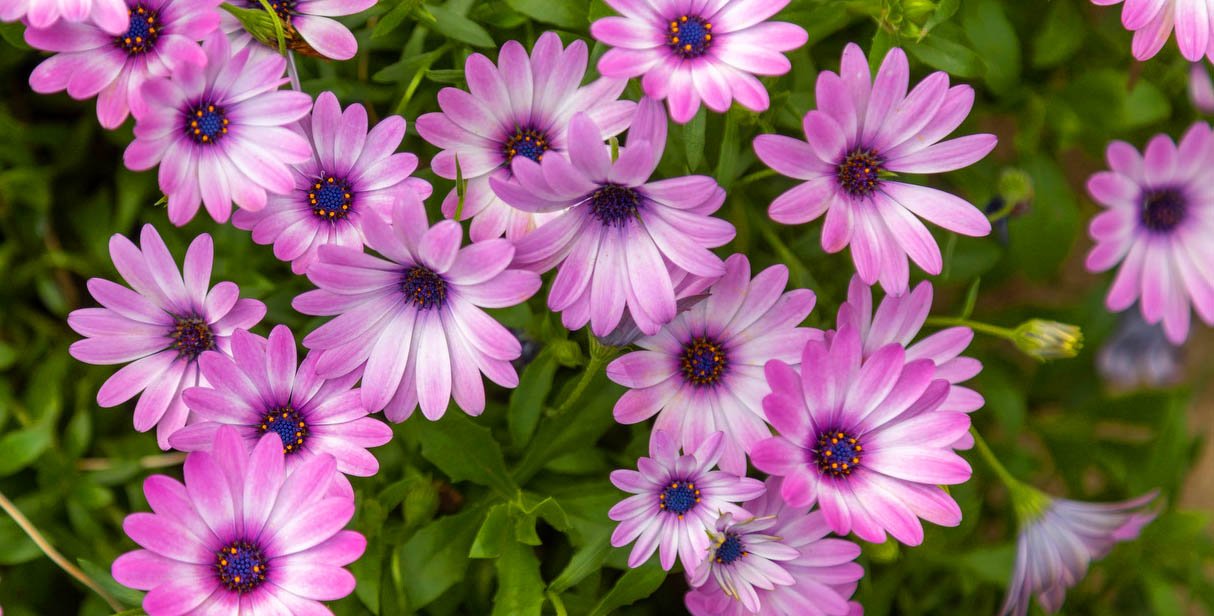
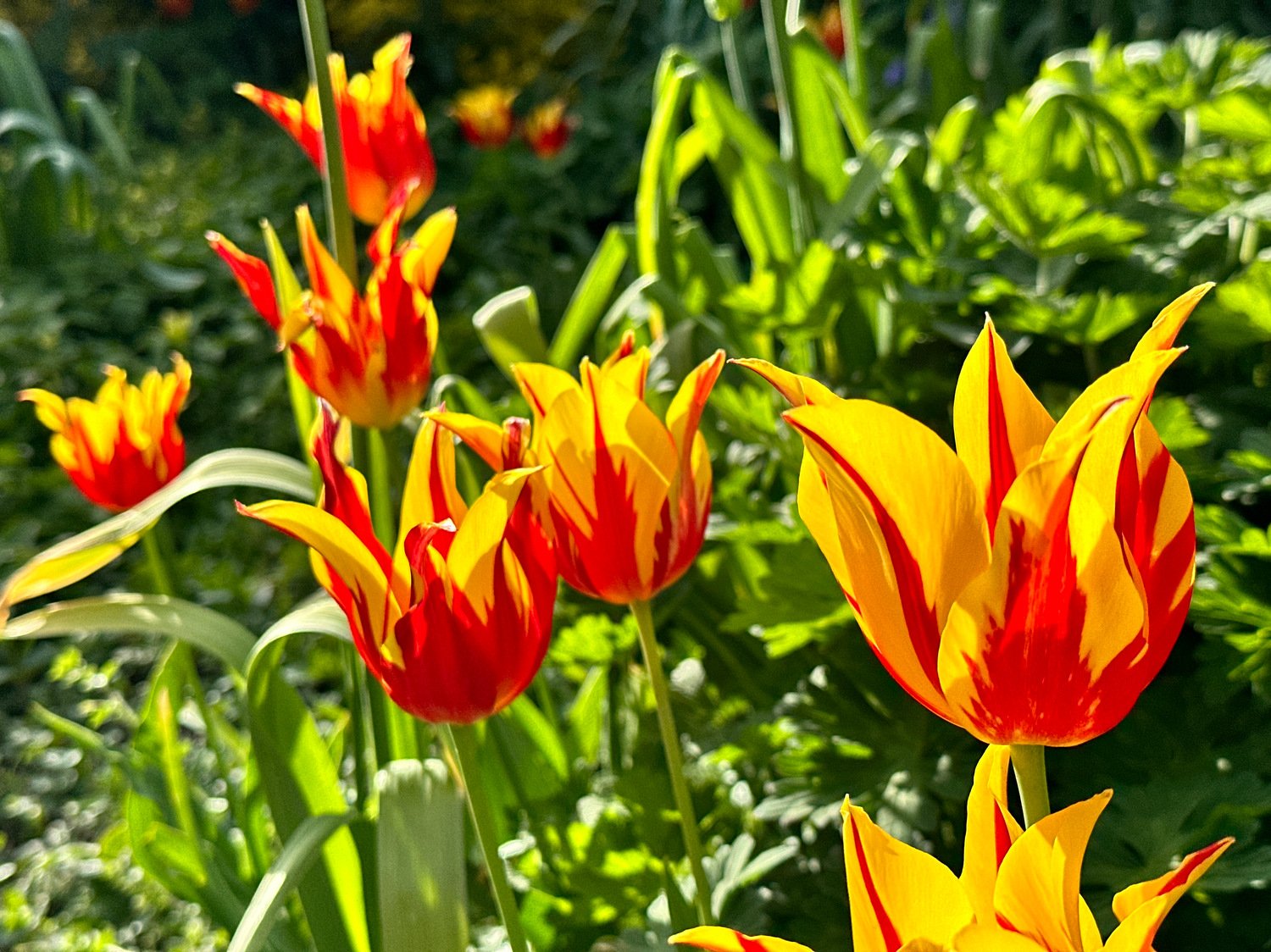
Christmas at Kew Gardens
During the Christmas season, Kew Gardens is lit up with lights and spectacular projections. The Christmas light display follows a one-and-a-half-mile trail and takes at least two hours to walk through.
Ticket prices vary depending on the night you choose. Check the latest prices at kew.org before you book. They go fast, so do not leave it too late.
If you work up an appetite while visiting the Christmas display, the Botanical Brasserie is open, as well as independent food vendors set up around the display.
For more on visiting London in winter, check out our post: Planning your visit to London in Winter
This post was researched and written by John O'Boyle of The Empty Nest Explorers.
John is a professional photographer and videographer whose work has been published by the New York Times, NBC News, and Getty Images. He has been part of a Pulitzer Prize-winning team and nominated for New York Emmy Awards. You can learn more about John and the Empty Nest Explorers here.
Other Britian blog posts you might like:
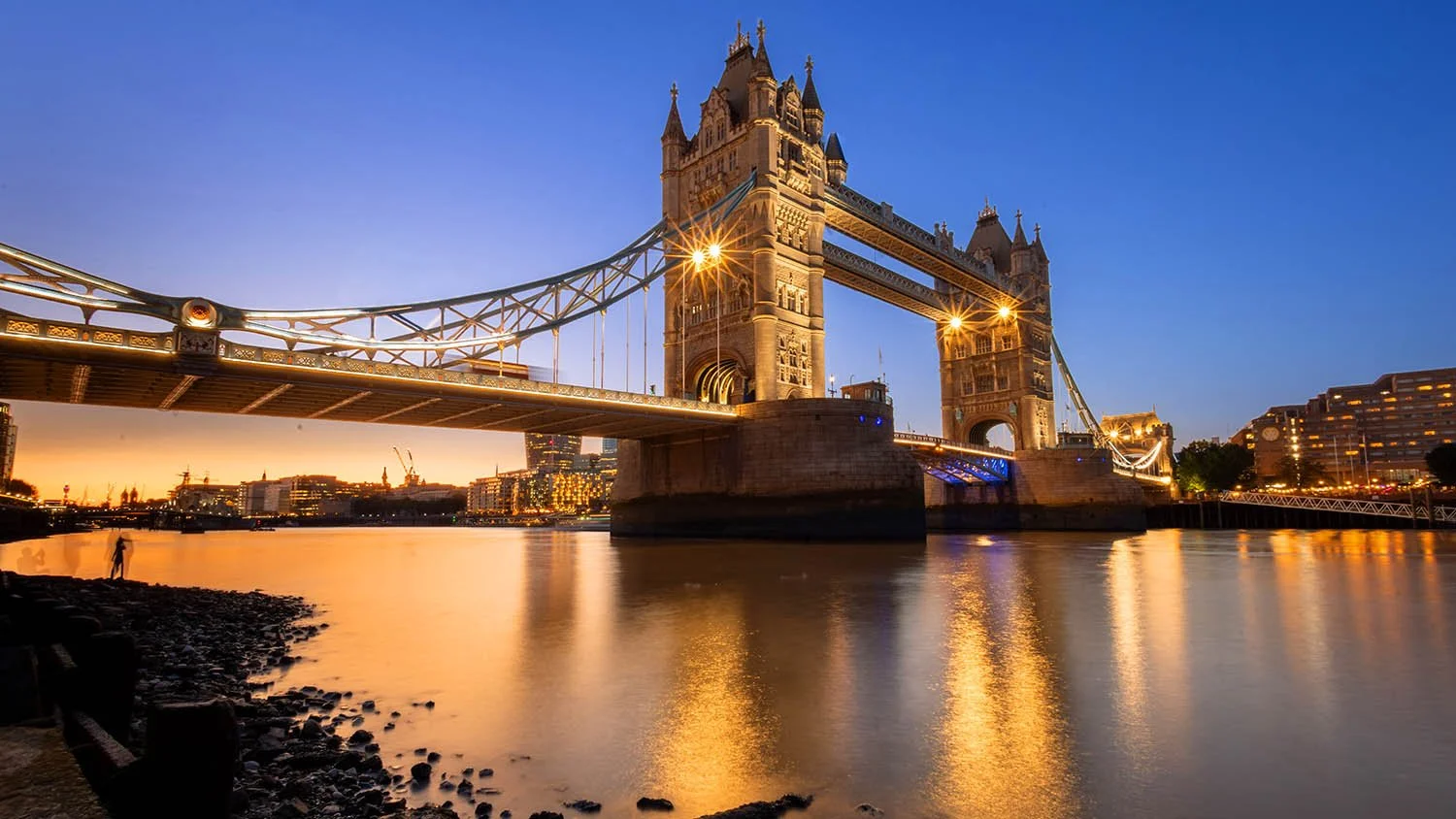




London was the first European city we visited, and we keep going back.
Here is everything we have learned to make your first trip go smoothly, from the ETA and the Tube to where to stay and the best day trips.